Vineyard, UT · Utah County
Septic Tank Backup Water Removal in Vineyard, UTSeptic System Water Damage Repair & Emergency Septic Backup Response
For Septic Tank Backup Water Removal in Vineyard, local pros handle septic backup odor removal, septic backup flood water removal and septic tank backup water extraction.
Answered 24/7
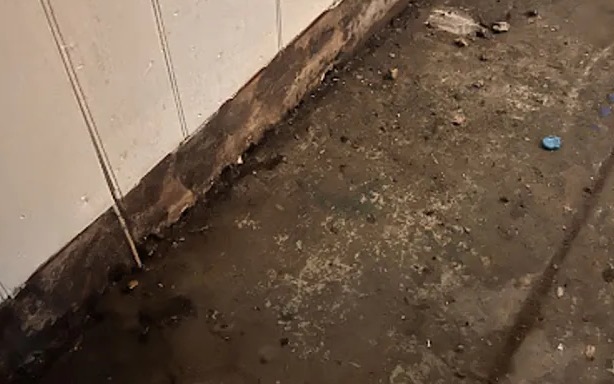
Septic Tank Backup Water Removal Specialists Serving Vineyard
Septic line backup water removal in Vineyard is crucial because the backup source might be deep in the system, requiring expertise to diagnose and address. Incorrect cleanup can lead to repeat overflows and further property damage.
Septic backup water extraction in Vineyard and the broader region, including places like Orem, Lindon and Pleasant Grove, demands expertise in both water damage and biohazard cleanup. Local water removal pros are equipped with pumps and sanitizing agents to manage sewage backup removal safely.
Key Septic Tank Backup Water Removal Procedures in Vineyard
Septic System Water Damage Repair
Repair work addresses structural components like floor joists or wall studs compromised by contaminated water. Repairs follow once the area is clean and dry.
Emergency Septic Backup Response
The fast emergency response from water damage restoration pros aims to contain the health hazard and limit secondary damage like mold growth. Initial actions focus on securing the area and removing the sewage water.
Septic Backup Sewage Cleanup
The pros clean up the sewage and treat every surface it touched to reduce health risks.
Septic Overflow Decontamination
For a septic overflow, the pros perform a full decontamination to neutralize biohazards. This service prepares the structural materials for any necessary repairs or reconstruction work.
Septic Backup Odor Removal
The pros tackle septic backup odors by treating affected structural materials and deodorizing the air. Effective odor removal is a key final step before reconstruction can be considered complete.
Indicators of a Septic Backup in Vineyard
Overflow From Septic Tank Lid Area
Visible effluent or wet soil around the septic tank access lid is a clear sign the tank is full and septic system water removal is required.
Sewage Visible in Cleanout Pipe
If you check the main sewer cleanout and find standing wastewater, your septic system overflow water removal must be addressed immediately by the pros.
Toilets Flush Slowly or Not at All
Weak flushing action or water rising to the rim indicates a severe septic line backup. This is a common trigger for emergency septic backup response.
Multiple Drains Backing Up Simultaneously
When several fixtures clog or drain slowly at once, the problem is usually the main line or the tank, not a single clog.
How Septic Tank Backup Water Removal Works in Vineyard
Step 1: Rapid Septic Backup Response
The pros start with an emergency response and a first look at how far the sewage spread.
Step 2: Contaminated Water Removal
Extraction equipment removes the sewage and contaminated water before it spreads further.
Step 3: Sewage Cleanup and Sanitizing
Surfaces are disinfected and deodorized so no bacteria or smell is left behind.
Step 4: Damage Documentation and Repair
The damage is documented for your insurance claim, and repairs restore the affected rooms.
What Causes Septic Tank Overflows in Vineyard
Root Infiltration Into Sewer Lines
Tree roots seeking moisture can crack and block pipes, and the backup gets worse over time.
Improper Tank or System Design
A tank or drain field that is too small for the household leads to repeated backups.
Excessive Water Usage Overloading System
Too much water entering the tank at once can overwhelm it and send sewage back into the home.
Compacted Soil Over the Drain Field
Heavy vehicles or structures parked above the leach field prevent proper drainage. This compaction causes backups.
Septic Tank Backup Water Removal for Homes and Businesses in Vineyard
Residential Septic Tank Backup Water Removal
Sewage smell can linger in a home after a septic backup. After cleanup, the pros remove the source, use air scrubbers and seal stained surfaces if the odor stays.
Commercial Septic Tank Backup Water Removal
For hotels or rental properties, a septic backup threatens reputation and revenue. Septic system water damage repair professionals work swiftly to rectify the plumbing issue and restore guest rooms or common areas with minimal downtime and thorough sanitization.
Why Septic Tank Backup Water Removal Requires Professional Water Damage Restoration Pros
You can safely turn off the water supply to toilets and appliances to prevent adding volume to the backup. Document visible damage with photos for your records.
Factors Affecting Septic Tank Backup Water Removal Cost in Vineyard
In Vineyard, the cost of septic backup water removal depends on how much sewage came in, how many rooms it reached and whether the work is after hours.
Structural Repairs
Any necessary septic system water damage repair, such as replacing subflooring or wall structures, is a separate line item in the restoration process.
Decontamination Procedures
Thorough septic overflow decontamination involves specialized antimicrobial agents and cleaning processes, which contribute to the overall material and labor costs.
Affected Materials
Porous materials like drywall or flooring that absorb septic water may require removal and disposal, adding to the project's scope and expense.
Does Insurance Cover Septic Tank Backup Water Removal?
Your insurer decides coverage, often based on what caused the septic failure. The pros document the damage with photos and reports for your claim.
Selecting Water Damage Restoration Pros for Septic Tank Backup Water Removal in Vineyard
Containment Protocols
Work areas are sealed off so sewage is not tracked into clean rooms during the cleanup.
24/7 Emergency Response
Septic backups demand immediate attention; the pros are available around the clock for emergency septic backup response calls.
Advanced Water Extraction
Powerful pumps and truck-mounted units are used for rapid septic tank water extraction, removing the bulk of the contaminated liquid quickly.
Emergency Septic Backup Help in Vineyard
Sewage coming up from a septic backup should not wait. Stop using water in the house and call (801) 514-7356 at any hour for cleanup.
Call Now (801) 514-7356Septic Tank Backup Water Removal Throughout Utah County
In Vineyard, homes can get septic backup water removal from the pros, who also help homeowners in nearby areas like Orem, Lindon and Pleasant Grove.
- Septic Tank Backup Water Removal in Orem
- Septic Tank Backup Water Removal in Lindon
- Septic Tank Backup Water Removal in Pleasant Grove
- Septic Tank Backup Water Removal in American Fork
- Septic Tank Backup Water Removal in Provo
- Septic Tank Backup Water Removal in Cedar Hills
- Septic Tank Backup Water Removal in Highland
- Septic Tank Backup Water Removal in Lehi
Frequently Asked Questions About Septic Tank Backup Water Removal
What happens during septic tank water extraction?
Powerful submersible pumps and truck-mounted extractors are used to remove the bulk of the contaminated liquid from the property, which is the first critical step in the restoration process.
Can septic system water damage repair be extensive?
Yes. Subfloors, drywall or insulation soaked with contaminated water usually have to be removed and replaced.
How long does septic tank overflow cleanup take?
The timeline varies with the severity. Simple extraction and cleaning may take a day, while jobs involving structural repairs and detailed decontamination can span several days.
What is septic tank backup water removal?
It is safely extracting contaminated water from a failed septic system, then cleaning and decontaminating the affected rooms.
Is residential septic backup cleanup a DIY job?
No. Sewage exposure is a serious biohazard risk. Professional septic backup cleanup specialists have the training, equipment, and protective gear to handle contamination safely and effectively.