Lehi, UT · Utah County
Septic Tank Backup Water Removal in Lehi, UTSeptic Backup Flood Water Removal & Septic Overflow Decontamination
Septic Tank Backup Water Removal in Lehi covers septic tank backup water extraction, septic backup sewage cleanup and septic overflow decontamination.
Answered 24/7
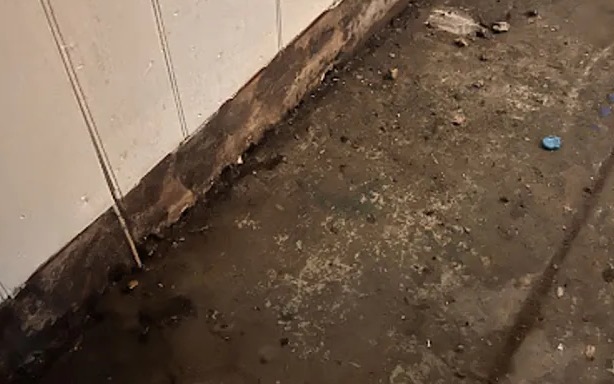
Expert Septic Tank Backup Water Removal for Lehi Homes
Residential septic backup cleanup in Lehi requires swift action to minimize disruption and health exposure. The backup water can carry solids and bacteria that stain surfaces and create foul smells.
Septic tank backup water removal services in Lehi are vital for homes that rely on septic systems, which can fail due to blockages or heavy use. Properties in nearby areas like American Fork, Saratoga Springs and Highland also face similar risks from septic overflows.
Comprehensive Septic Tank Backup Water Removal for Lehi
Septic Backup Flood Water Removal
The first priority is removing standing water from a septic system failure. In Lehi, extraction experts handle sewage-contaminated fluids.
Septic Overflow Decontamination
The decontamination process applies specialized agents to kill bacteria and viruses left by the sewage spill. Local septic overflow cleanup specialists treat every surface the sewage touched.
Septic System Water Damage Repair
Repair work addresses structural components like floor joists or wall studs compromised by contaminated water. Repairs follow once the area is clean and dry.
Emergency Septic Backup Response
The fast emergency response from septic overflow cleanup specialists aims to contain the health hazard and limit secondary damage like mold growth. Initial actions focus on securing the area and removing the sewage water.
Septic Backup Sewage Cleanup
The specialists clean up the sewage and treat every surface it touched to reduce health risks.
Indicators of a Septic Backup in Lehi
Foul Odors Near the Drain Field
Persistent sewage smells around your yard or near plumbing fixtures signal a potential septic system overflow. These odors often worsen after water use.
Wet Spots or Soggy Ground Outside
Damp, lush or spongy patches in the yard near the septic tank can mean the tank is backing up.
Drains Back Up After Heavy Rain
Drains that back up after storms often mean the drain field is saturated and the tank cannot drain.
Sewage Backup in Bathtub or Shower
Wastewater surfacing in tubs or showers, particularly on lower floors, is a dire warning of a main line septic backup cleanup emergency.
How Septic Tank Backup Water Removal Works in Lehi
Step 1: Rapid Septic Backup Response
The specialists start with an emergency response and a first look at how far the sewage spread.
Step 2: Contaminated Water Removal
Extraction equipment removes the sewage and contaminated water before it spreads further.
Step 3: Sewage Cleanup and Sanitizing
Surfaces are disinfected and deodorized so no bacteria or smell is left behind.
Step 4: Damage Documentation and Repair
The damage is documented for your insurance claim, and repairs restore the affected rooms.
What Causes Septic Tank Overflows in Lehi
Damaged or Collapsed Drain Field
When the drain field fails, water has nowhere to go and backs up into the house again and again.
Flushing Non-Biodegradable Items
Wipes, hygiene products and grease build up in pipes and cause stubborn clogs that push sewage back inside.
Full or Failing Septic Tank
A tank at capacity cannot accept new wastewater, causing immediate backups into your home. Regular pumping prevents this common septic tank backup cause.
Old Age and General System Deterioration
Corroded pipes, cracked tanks and failed seals eventually let sewage back into the home.
Septic Tank Backup Water Removal for Homes and Businesses in Lehi
Residential Septic Tank Backup Water Removal
Sewage smell can linger in a home after a septic backup. After cleanup, the pros remove the source, use air scrubbers and seal stained surfaces if the odor stays.
Commercial Septic Tank Backup Water Removal
For hotels or rental properties, a septic backup threatens reputation and revenue. Septic system water damage repair professionals work swiftly to rectify the plumbing issue and restore guest rooms or common areas with minimal downtime and thorough sanitization.
Handling a Septic Backup: DIY Risks in Lehi
You can call a plumber to diagnose a simple clog, but if the issue is septic-related, septic overflow decontamination by professionals is required to address the source and the contamination.
What Influences Septic Tank Backup Water Removal Pricing in Lehi
In Lehi, the cost of septic backup water removal depends on how much sewage came in, how many rooms it reached and whether the work is after hours.
Required Water Extraction
The amount of sewage to remove sets the number of pumps and the time needed on site.
Emergency Response Timing
A septic backup emergency service call during nights, weekends, or holidays may involve different service rates due to the immediate mobilization required.
Decontamination Procedures
Thorough septic overflow decontamination involves specialized antimicrobial agents and cleaning processes, which contribute to the overall material and labor costs.
Does Insurance Cover Septic Tank Backup Water Removal?
Coverage for residential septic backup cleanup hinges on the source of the problem. Policies often exclude damage from gradual neglect or lack of maintenance, focusing on sudden and direct causes.
Benefits of Local Septic Overflow Cleanup Specialists for Septic Tank Backup Water Removal
Comprehensive Sewage Cleanup
Every surface touched by septic backup receives a thorough cleaning with EPA-registered agents to eliminate contamination risks.
Advanced Water Extraction
Powerful pumps and truck-mounted units are used for rapid septic tank water extraction, removing the bulk of the contaminated liquid quickly.
24/7 Emergency Response
Septic backups demand immediate attention; the specialists are available around the clock for emergency septic backup response calls.
24/7 Emergency Septic Tank Backup Water Removal in Lehi
Sewage from a septic backup needs to be cleaned up quickly. Stop using water in the house and call (801) 514-7356 right away.
Call Now (801) 514-7356Septic Tank Backup Water Removal Throughout Utah County
A septic backup can happen in any home on a septic system in Lehi. Help is available here and in nearby communities like American Fork, Saratoga Springs and Highland.
- Septic Tank Backup Water Removal in American Fork
- Septic Tank Backup Water Removal in Saratoga Springs
- Septic Tank Backup Water Removal in Highland
- Septic Tank Backup Water Removal in Cedar Hills
- Septic Tank Backup Water Removal in Alpine
- Septic Tank Backup Water Removal in Pleasant Grove
- Septic Tank Backup Water Removal in Eagle Mountain
- Septic Tank Backup Water Removal in Draper
- Emergency Damage Restoration in 84043
- Storm Damage Restoration in 84043
- Water Damage Restoration in 84043
- Water Extraction Service in 84043
- Water Leak Detection in 84043
- Water Removal Service in 84043
Septic Tank Backup Water Removal FAQs
Is septic backup odor removal always necessary?
Almost always. Persistent odors indicate lingering contamination or moisture. Odor removal uses specialized equipment like hydroxyl generators or ozone machines to eliminate smells at their source.
Is residential septic backup cleanup a DIY job?
No. Sewage exposure is a serious biohazard risk. Professional septic backup cleanup specialists have the training, equipment, and protective gear to handle contamination safely and effectively.
What areas need septic line backup water removal?
Any area where sewage has surfaced, usually bathrooms, basements or utility rooms near drain lines.
What's included in emergency septic backup response?
The specialists contain the hazard, extract the septic water, assess the damage and start cleanup and drying.
Can septic system water damage repair be extensive?
Yes. Subfloors, drywall or insulation soaked with contaminated water usually have to be removed and replaced.