Pleasant Grove, UT · Utah County
Septic Tank Backup Water Removal in Pleasant Grove, UTEmergency Septic Backup Response & Septic Backup Odor Removal
Septic Tank Backup Water Removal in Pleasant Grove encompasses septic backup sewage cleanup, septic backup odor removal, and septic tank drain backup cleanup for residential properties.
Answered 24/7
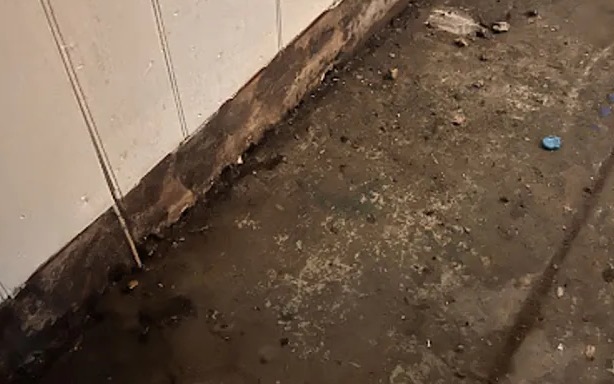
Septic Tank Backup Water Removal Specialists Serving Pleasant Grove
Septic tank drain backup incidents in Pleasant Grove can lead to extensive water damage beneath floors or behind walls, often going unnoticed. This hidden moisture promotes mold growth and weakens building materials.
Septic backup water extraction in Pleasant Grove and the broader region, including places like Lindon, American Fork and Cedar Hills, demands expertise in both water damage and biohazard cleanup. Local water removal pros are equipped with pumps and sanitizing agents to manage sewage backup removal safely.
Comprehensive Septic Tank Backup Water Removal for Pleasant Grove
Emergency Septic Backup Response
An emergency response to a septic backup in Pleasant Grove starts with a safety evaluation and immediate water extraction setup. Local water removal pros are available 24/7 to begin this critical mitigation.
Septic Backup Odor Removal
Odor removal after a septic backup in Pleasant Grove targets the source of the smell within porous materials and the air.
Septic Backup Sewage Cleanup
Local sewage cleanup for a septic backup involves extracting black water and cleaning hard surfaces. The pros in Pleasant Grove follow established safety protocols to handle the hazardous organic matter.
Septic Tank Drain Backup Cleanup
The drain backup cleanup process includes extracting sewage water, flushing the affected pipes, and disinfecting all plumbing fixtures. The pros ensure the system is clean and functional.
Septic Backup Flood Water Removal
The pros respond 24/7 with industrial-grade equipment for septic backup water extraction. Removing the flood water stabilizes the property.
When to Call for Septic Tank Backup Water Removal in Pleasant Grove
Sewage Backup in Bathtub or Shower
Wastewater surfacing in tubs or showers, particularly on lower floors, is a dire warning of a main line septic backup cleanup emergency.
Toilets Flush Slowly or Not at All
Weak flushing action or water rising to the rim indicates a severe septic line backup. This is a common trigger for emergency septic backup response.
Sewage Visible in Cleanout Pipe
If you check the main sewer cleanout and find standing wastewater, your septic system overflow water removal must be addressed immediately by the pros.
Water Backs Up in Lowest Fixtures
Sewage or water appearing in a basement shower or floor drain is a classic sign of septic tank backup water removal being urgently needed.
How Septic Tank Backup Water Removal Works in Pleasant Grove
Step 1: Septic Backup Evaluation
The work starts with sizing up the backup and deciding what must be removed first.
Step 2: Extract Contaminated Water
Sewage and water are extracted from the drain area to stop contamination from spreading.
Step 3: Sanitize and Deodorize
Decontamination and odor treatments are applied to every surface to remove bacteria and smells.
Step 4: Restore Damaged Areas
Drying and repairs finish the job and return the rooms to normal use.
Triggers for Septic Tank Backup Water Removal in Pleasant Grove
Broken or Misaligned Sewer Pipes
Settling soil, age or pressure can break the main line from the house to the tank.
Clogged Inlet or Outlet Baffles
Blockages at the tank's entry or exit points prevent proper flow. This disruption is a frequent reason for septic tank water extraction calls.
Root Infiltration Into Sewer Lines
Tree roots seeking moisture can crack and block pipes, and the backup gets worse over time.
Compacted Soil Over the Drain Field
Heavy vehicles or structures parked above the leach field prevent proper drainage. This compaction causes backups.
Residential and Commercial Septic Tank Backup Water Removal in Pleasant Grove
Residential Septic Tank Backup Water Removal
Sewage smell can linger in a home after a septic backup. After cleanup, the pros remove the source, use air scrubbers and seal stained surfaces if the odor stays.
Commercial Septic Tank Backup Water Removal
For hotels or rental properties, a septic backup threatens reputation and revenue. Septic system water damage repair professionals work swiftly to rectify the plumbing issue and restore guest rooms or common areas with minimal downtime and thorough sanitization.
Septic Tank Backup Water Removal vs. DIY: When to Call Water Damage Restoration Pros
You can safely turn off the water supply to toilets and appliances to prevent adding volume to the backup. Document visible damage with photos for your records.
Cost Considerations for Septic Tank Backup Water Removal in Pleasant Grove
Cost depends on how much water must be extracted and whether the drain line to the tank also backed up.
Decontamination Procedures
Thorough septic overflow decontamination involves specialized antimicrobial agents and cleaning processes, which contribute to the overall material and labor costs.
Affected Materials
Porous materials like drywall or flooring that absorb septic water may require removal and disposal, adding to the project's scope and expense.
Emergency Response Timing
A septic backup emergency service call during nights, weekends, or holidays may involve different service rates due to the immediate mobilization required.
Does Insurance Cover Septic Tank Backup Water Removal?
Coverage for residential septic backup cleanup hinges on the source of the problem. Policies often exclude damage from gradual neglect or lack of maintenance, focusing on sudden and direct causes.
Advantages of Septic Tank Backup Water Removal from Water Damage Restoration Pros in Pleasant Grove
Containment Protocols
Work areas are sealed off so sewage is not tracked into clean rooms during the cleanup.
System Damage Assessment
The pros inspect for hidden septic system water damage repair needs behind walls or under floors.
Advanced Water Extraction
Powerful pumps and truck-mounted units are used for rapid septic tank water extraction, removing the bulk of the contaminated liquid quickly.
Round-the-Clock Septic Tank Backup Water Removal in Pleasant Grove
Septic tank water damage worsens quickly if not addressed. Secure emergency septic backup water removal services without delay by calling (801) 514-7356; the pros are on standby.
Call Now (801) 514-7356Septic Tank Backup Water Removal Coverage in Utah County
Homes in Pleasant Grove with septic backups can get sewage removal and cleanup. Help is also available in nearby Lindon, American Fork and Cedar Hills.
- Septic Tank Backup Water Removal in Lindon
- Septic Tank Backup Water Removal in American Fork
- Septic Tank Backup Water Removal in Cedar Hills
- Septic Tank Backup Water Removal in Vineyard
- Septic Tank Backup Water Removal in Highland
- Septic Tank Backup Water Removal in Lehi
- Septic Tank Backup Water Removal in Alpine
- Septic Tank Backup Water Removal in Orem
- Emergency Damage Restoration in 84062
- Storm Damage Restoration in 84062
- Water Damage Restoration in 84062
- Water Extraction Service in 84062
- Water Leak Detection in 84062
- Water Removal Service in 84062
Septic Tank Backup Water Removal FAQ for Pleasant Grove
How do pros document septic system water damage?
They use moisture meters, thermal imaging cameras, and photography to map affected areas, creating a detailed report for your records and potential insurance claim submission.
Why is septic water damage documentation important?
Photos and moisture readings create a record for your insurance claim that shows the extent of the loss.
What areas need septic line backup water removal?
Any area where sewage has surfaced, usually bathrooms, basements or utility rooms near drain lines.
How does septic system water removal prevent mold?
Extraction followed by drying with dehumidifiers and air movers removes the moisture mold needs, which matters after any septic backup.
What's the risk of untreated septic tank drain backup?
Untreated backups pose significant health risks from bacteria and viruses, cause permanent structural damage, and lead to pervasive mold infestations, greatly increasing repair costs later.