South Jordan, UT · Salt Lake County
Septic Tank Backup Water Removal in South Jordan, UTSeptic Tank Backup Water Extraction & Septic Backup Sewage Cleanup
Septic Tank Backup Water Removal in South Jordan involves septic tank backup water extraction, septic backup sewage cleanup, and septic overflow decontamination for affected properties.
Answered 24/7
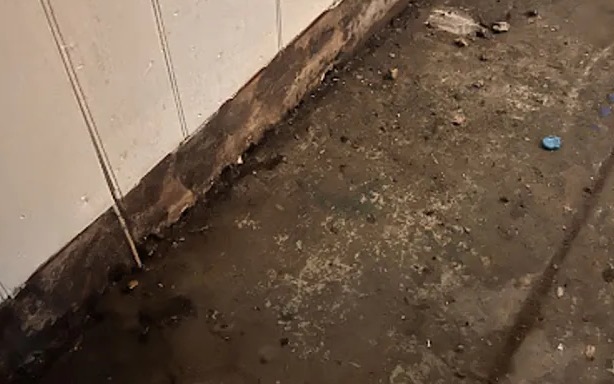
Local Septic Tank Backup Water Removal Solutions in Utah
Emergency septic backup service in South Jordan responds to the urgent need to remove hazardous water from living spaces. The overflow creates an immediate environment unfit for occupancy.
Septic backup water extraction in South Jordan and the broader region, including places like Sandy, Riverton and Midvale, demands expertise in both water damage and biohazard cleanup. Local water removal pros are equipped with pumps and sanitizing agents to manage sewage backup removal safely.
Key Septic Tank Backup Water Removal Procedures in South Jordan
Septic Tank Backup Water Extraction
Industrial vacuums are deployed by local water extraction experts to handle the contaminated water from a septic tank failure. Prompt removal is the critical first step in the restoration protocol.
Septic Backup Sewage Cleanup
Sewage cleanup after a septic backup in South Jordan requires the safe removal of all contaminated water and solid waste.
Septic Backup Flood Water Removal
The pros respond 24/7 with industrial-grade equipment for septic backup water extraction. Removing the flood water stabilizes the property.
Septic Overflow Decontamination
Decontamination after a septic overflow in South Jordan uses antimicrobial treatments to address pathogens on surfaces and in the air.
Septic Backup Odor Removal
Odor removal after a septic backup in South Jordan targets the source of the smell within porous materials and the air.
When to Call for Septic Tank Backup Water Removal in South Jordan
Gurgling Sounds From Plumbing Vents
Bubbling or gurgling noises from roof vents or inside drains often precede visible septic tank flooding. Air is trapped by a blockage in the line.
Wet Spots or Soggy Ground Outside
Damp, lush or spongy patches in the yard near the septic tank can mean the tank is backing up.
Drains Back Up After Heavy Rain
Drains that back up after storms often mean the drain field is saturated and the tank cannot drain.
Multiple Drains Backing Up Simultaneously
When several fixtures clog or drain slowly at once, the problem is usually the main line or the tank, not a single clog.
How Septic Tank Backup Water Removal Works in South Jordan
Step 1: Septic Backup Evaluation
The work starts with sizing up the backup and deciding what must be removed first.
Step 2: Extract Contaminated Water
Sewage and water are extracted from the drain area to stop contamination from spreading.
Step 3: Sanitize and Deodorize
Decontamination and odor treatments are applied to every surface to remove bacteria and smells.
Step 4: Restore Damaged Areas
Drying and repairs finish the job and return the rooms to normal use.
Triggers for Septic Tank Backup Water Removal in South Jordan
Improper Tank or System Design
A tank or drain field that is too small for the household leads to repeated backups.
Flushing Non-Biodegradable Items
Wipes, hygiene products and grease build up in pipes and cause stubborn clogs that push sewage back inside.
Damaged or Collapsed Drain Field
When the drain field fails, water has nowhere to go and backs up into the house again and again.
Root Infiltration Into Sewer Lines
Tree roots seeking moisture can crack and block pipes, and the backup gets worse over time.
Residential and Commercial Septic Tank Backup Water Removal in South Jordan
Residential Septic Tank Backup Water Removal
Residential septic tank flooding often damages finished basements, bathrooms, and laundry rooms. The pros focus on extracting contaminated water, removing ruined materials like drywall and carpet, and implementing drying protocols to prevent secondary mold growth from the moisture.
Commercial Septic Tank Backup Water Removal
Commercial properties like restaurants or retail stores face severe sanitation violations from a septic overflow. The pros secure the area, extract wastewater, and perform aggressive odor removal and sanitization to allow for a swift, compliant reopening.
Handling a Septic Backup: DIY Risks in South Jordan
For ongoing maintenance, you can schedule regular septic tank pumping every 3-5 years and avoid flushing non-degradables. If you experience recurring slow drains, a professional camera inspection is wise.
Understanding Septic Tank Backup Water Removal Expenses in Utah
Your septic backup cleanup cost depends on how much sewage must be removed and the hours of labor needed.
Decontamination Procedures
Thorough septic overflow decontamination involves specialized antimicrobial agents and cleaning processes, which contribute to the overall material and labor costs.
Required Water Extraction
The amount of sewage to remove sets the number of pumps and the time needed on site.
Damage Documentation
Detailed septic water damage documentation for insurance purposes involves time for photos, moisture mapping, and report preparation by the pros.
Does Insurance Cover Septic Tank Backup Water Removal?
Homeowners insurance may cover septic tank backup water removal if the backup is caused by a sudden, accidental event listed in your policy. Coverage decisions belong solely to your insurer, so you should confirm your specifics.
Why Choose Local Septic Tank Backup Water Removal Pros for Septic Tank Backup Water Removal in South Jordan
24/7 Emergency Response
Septic backups demand immediate attention; the pros are available around the clock for emergency septic backup response calls.
IICRC-Standard Decontamination
Septic overflow decontamination follows industry protocols to neutralize harmful pathogens and bacteria, making the affected area safe again.
Advanced Water Extraction
Powerful pumps and truck-mounted units are used for rapid septic tank water extraction, removing the bulk of the contaminated liquid quickly.
Urgent Septic Tank Backup Water Removal Response in Utah
Sewage coming up from a septic backup should not wait. Stop using water in the house and call (801) 514-7356 at any hour for cleanup.
Call Now (801) 514-7356Septic Tank Backup Water Removal Coverage in Salt Lake County
Septic backup cleanup is available throughout Salt Lake County. From South Jordan to areas like Sandy, Riverton and Midvale, the pros remove sewage and disinfect the affected rooms.
- Septic Tank Backup Water Removal in Sandy
- Septic Tank Backup Water Removal in Riverton
- Septic Tank Backup Water Removal in Midvale
- Septic Tank Backup Water Removal in Draper
- Septic Tank Backup Water Removal in Herriman
- Septic Tank Backup Water Removal in Cottonwood Heights
- Septic Tank Backup Water Removal in Kearns
- Septic Tank Backup Water Removal in Murray
- Emergency Damage Restoration in 84009
- Storm Damage Restoration in 84009
- Water Damage Restoration in 84009
- Water Extraction Service in 84009
- Water Leak Detection in 84009
- Water Removal Service in 84009
- Emergency Damage Restoration in 84095
- Storm Damage Restoration in 84095
Septic Tank Backup Water Removal FAQs
What's the risk of untreated septic tank drain backup?
Untreated backups pose significant health risks from bacteria and viruses, cause permanent structural damage, and lead to pervasive mold infestations, greatly increasing repair costs later.
What areas need septic line backup water removal?
Any area where sewage has surfaced, usually bathrooms, basements or utility rooms near drain lines.
Is septic backup odor removal always necessary?
Almost always. Persistent odors indicate lingering contamination or moisture. Odor removal uses specialized equipment like hydroxyl generators or ozone machines to eliminate smells at their source.
What's included in emergency septic backup response?
The pros contain the hazard, extract the septic water, assess the damage and start cleanup and drying.
What does septic overflow decontamination involve?
The process uses EPA-registered disinfectants and antimicrobial cleaners on all affected surfaces to kill bacteria and viruses, ensuring the area is sanitized and safe for reoccupation after the cleanup.