Cottonwood Heights, UT · Salt Lake County
Septic Tank Backup Water Removal in Cottonwood Heights, UTSeptic Backup Sewage Cleanup & Septic Tank Backup Water Extraction
Effective Septic Tank Backup Water Removal in Cottonwood Heights stops septic overflow damage from spreading with septic backup sewage cleanup, septic overflow decontamination and emergency septic backup response.
Answered 24/7
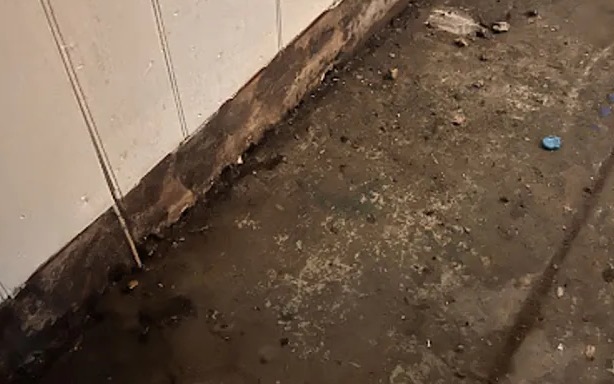
Professional Septic Tank Backup Water Removal in Cottonwood Heights, UT
Residential septic backup cleanup in Cottonwood Heights requires swift action to minimize disruption and health exposure. The backup water can carry solids and bacteria that stain surfaces and create foul smells.
Septic backup water extraction in Cottonwood Heights and the broader region, including places like Holladay, Midvale and Sandy, demands expertise in both water damage and biohazard cleanup. Local water removal pros are equipped with pumps and sanitizing agents to manage sewage backup removal safely.
Comprehensive Septic Tank Backup Water Removal for Cottonwood Heights
Septic Backup Sewage Cleanup
Local sewage cleanup for a septic backup involves extracting black water and cleaning hard surfaces. Local septic tank backup water removal pros in Cottonwood Heights follow established safety protocols to handle the hazardous organic matter.
Septic Tank Backup Water Extraction
Thorough septic backup water extraction is a priority for the pros in Cottonwood Heights to protect your home's foundation and air quality. The process targets all standing water before advanced drying begins.
Septic System Water Damage Repair
Repair work addresses structural components like floor joists or wall studs compromised by contaminated water. Repairs follow once the area is clean and dry.
Septic Overflow Decontamination
Decontamination after a septic overflow in Cottonwood Heights uses antimicrobial treatments to address pathogens on surfaces and in the air.
Septic Backup Flood Water Removal
The pros in Cottonwood Heights extract all contaminated liquid using high-volume pumps and vacuums. This rapid response helps contain the damage.
Indicators of a Septic Backup in Cottonwood Heights
Sewage Backup in Bathtub or Shower
Wastewater surfacing in tubs or showers, particularly on lower floors, is a dire warning of a main line septic backup cleanup emergency.
Sewage Visible in Cleanout Pipe
If you check the main sewer cleanout and find standing wastewater, your septic system overflow water removal must be addressed immediately by the pros.
Water Backs Up in Lowest Fixtures
Sewage or water appearing in a basement shower or floor drain is a classic sign of septic tank backup water removal being urgently needed.
Foul Odors Near the Drain Field
Persistent sewage smells around your yard or near plumbing fixtures signal a potential septic system overflow. These odors often worsen after water use.
How Septic Tank Backup Water Removal Works in Cottonwood Heights
Step 1: Septic Backup Inspection
Pros inspect the affected area first to plan how the sewage will be removed.
Step 2: Flood Water Extraction
Heavy-duty extractors pull the contaminated water out of floors, drains and carpet.
Step 3: Decontamination and Odor Control
The space is decontaminated and deodorized to remove bacteria and lingering odors.
Step 4: Structural Drying and Restoration
Affected materials are dried and readings confirm the area is dry before repairs begin.
What Causes Septic Tank Overflows in Cottonwood Heights
Flushing Non-Biodegradable Items
Wipes, hygiene products and grease build up in pipes and cause stubborn clogs that push sewage back inside.
Clogged Inlet or Outlet Baffles
Blockages at the tank's entry or exit points prevent proper flow. This disruption is a frequent reason for septic tank water extraction calls.
Broken or Misaligned Sewer Pipes
Settling soil, age or pressure can break the main line from the house to the tank.
Root Infiltration Into Sewer Lines
Tree roots seeking moisture can crack and block pipes, and the backup gets worse over time.
All-Property Septic Tank Backup Water Removal in Cottonwood Heights
Residential Septic Tank Backup Water Removal
Sewage smell can linger in a home after a septic backup. After cleanup, the pros remove the source, use air scrubbers and seal stained surfaces if the odor stays.
Commercial Septic Tank Backup Water Removal
For hotels or rental properties, a septic backup threatens reputation and revenue. Septic system water damage repair professionals work swiftly to rectify the plumbing issue and restore guest rooms or common areas with minimal downtime and thorough sanitization.
Professional Septic Tank Backup Water Removal Over DIY in Cottonwood Heights
If you suspect a minor slow drain, you can try a plunger on a single fixture. Avoid chemical drain cleaners, as they can damage pipes and septic tank bacteria.
Cost Considerations for Septic Tank Backup Water Removal in Cottonwood Heights
In Cottonwood Heights, the cost of septic backup water removal depends on how much sewage came in, how many rooms it reached and whether the work is after hours.
Required Water Extraction
The amount of sewage to remove sets the number of pumps and the time needed on site.
Decontamination Procedures
Thorough septic overflow decontamination involves specialized antimicrobial agents and cleaning processes, which contribute to the overall material and labor costs.
Structural Repairs
Any necessary septic system water damage repair, such as replacing subflooring or wall structures, is a separate line item in the restoration process.
Does Insurance Cover Septic Tank Backup Water Removal?
Coverage for residential septic backup cleanup hinges on the source of the problem. Policies often exclude damage from gradual neglect or lack of maintenance, focusing on sudden and direct causes.
Benefits of Local Pros for Septic Tank Backup Water Removal
Detailed Damage Documentation
Photos, moisture readings, and detailed notes are compiled for your septic water damage documentation to support insurance communications.
Comprehensive Sewage Cleanup
Every surface touched by septic backup receives a thorough cleaning with EPA-registered agents to eliminate contamination risks.
Effective Odor Elimination
Specialized foggers and air scrubbers tackle septic backup odor removal at the source, not just masking unpleasant smells.
24/7 Emergency Septic Tank Backup Water Removal in Cottonwood Heights
A septic line backup needs professional help without delay. For a rapid response from septic cleanup pros in your area, call (801) 514-7356 right away.
Call Now (801) 514-7356Septic Tank Backup Water Removal Available Around Cottonwood Heights
In Cottonwood Heights, septic backups are cleaned up by the pros, who also serve nearby places such as Holladay, Midvale and Sandy.
- Septic Tank Backup Water Removal in Holladay
- Septic Tank Backup Water Removal in Midvale
- Septic Tank Backup Water Removal in Sandy
- Septic Tank Backup Water Removal in Murray
- Septic Tank Backup Water Removal in Millcreek
- Septic Tank Backup Water Removal in South Jordan
- Septic Tank Backup Water Removal in Draper
- Septic Tank Backup Water Removal in Taylorsville
Your Septic Tank Backup Water Removal Questions Addressed
How quickly should I call for septic backup sewage cleanup?
Right away. Sewage carries germs that can make people sick, and the longer it sits the more it soaks into floors and walls.
How long does septic tank overflow cleanup take?
The timeline varies with the severity. Simple extraction and cleaning may take a day, while jobs involving structural repairs and detailed decontamination can span several days.
Is septic backup odor removal always necessary?
Almost always. Persistent odors indicate lingering contamination or moisture. Odor removal uses specialized equipment like hydroxyl generators or ozone machines to eliminate smells at their source.
Is residential septic backup cleanup a DIY job?
No. Sewage exposure is a serious biohazard risk. Professional septic backup cleanup specialists have the training, equipment, and protective gear to handle contamination safely and effectively.
What's the risk of untreated septic tank drain backup?
Untreated backups pose significant health risks from bacteria and viruses, cause permanent structural damage, and lead to pervasive mold infestations, greatly increasing repair costs later.