Midvale, UT · Salt Lake County
Septic Tank Backup Water Removal in Midvale, UTSeptic Tank Backup Water Extraction & Septic Overflow Decontamination
Septic Tank Backup Water Removal in Midvale involves septic tank backup water extraction, septic backup sewage cleanup, and septic overflow decontamination for affected properties.
Answered 24/7
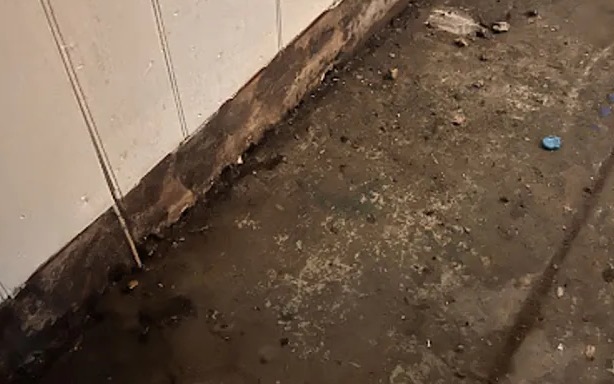
Professional Septic Tank Backup Water Removal in Midvale, UT
Septic tank drain backup incidents in Midvale can lead to extensive water damage beneath floors or behind walls, often going unnoticed. This hidden moisture promotes mold growth and weakens building materials.
Septic backup water extraction in Midvale and the broader region, including places like Sandy, Murray and Taylorsville, demands expertise in both water damage and biohazard cleanup. Local water removal pros are equipped with pumps and sanitizing agents to manage sewage backup removal safely.
The Septic Tank Backup Water Removal Process in Midvale
Septic Tank Backup Water Extraction
The water extraction for a septic tank backup in Midvale uses truck-mounted pumps to remove the contaminated water.
Septic Overflow Decontamination
For a septic overflow, local water damage pros perform a full decontamination to neutralize biohazards. This service prepares the structural materials for any necessary repairs or reconstruction work.
Septic Tank Drain Backup Cleanup
Cleanup for a septic tank drain backup in Midvale involves clearing blockages and removing all contaminated water from the plumbing system. Local cleanup specialists then sanitize the drain lines and fixtures.
Septic Backup Flood Water Removal
The pros in Midvale extract all contaminated liquid using high-volume pumps and vacuums. This rapid response helps contain the damage.
Septic System Water Damage Repair
Repair work addresses structural components like floor joists or wall studs compromised by contaminated water. Repairs follow once the area is clean and dry.
When to Call for Septic Tank Backup Water Removal in Midvale
Gurgling Sounds From Plumbing Vents
Bubbling or gurgling noises from roof vents or inside drains often precede visible septic tank flooding. Air is trapped by a blockage in the line.
Multiple Drains Backing Up Simultaneously
When several fixtures clog or drain slowly at once, the problem is usually the main line or the tank, not a single clog.
Toilets Flush Slowly or Not at All
Weak flushing action or water rising to the rim indicates a severe septic line backup. This is a common trigger for emergency septic backup response.
Drains Back Up After Heavy Rain
Drains that back up after storms often mean the drain field is saturated and the tank cannot drain.
How Septic Tank Backup Water Removal Works in Midvale
Step 1: Septic Backup Evaluation
The work starts with sizing up the backup and deciding what must be removed first.
Step 2: Extract Contaminated Water
Sewage and water are extracted from the drain area to stop contamination from spreading.
Step 3: Sanitize and Deodorize
Decontamination and odor treatments are applied to every surface to remove bacteria and smells.
Step 4: Restore Damaged Areas
Drying and repairs finish the job and return the rooms to normal use.
Frequent Sources of Septic System Water Damage
Flushing Non-Biodegradable Items
Wipes, hygiene products and grease build up in pipes and cause stubborn clogs that push sewage back inside.
Full or Failing Septic Tank
A tank at capacity cannot accept new wastewater, causing immediate backups into your home. Regular pumping prevents this common septic tank backup cause.
Old Age and General System Deterioration
Corroded pipes, cracked tanks and failed seals eventually let sewage back into the home.
Clogged Inlet or Outlet Baffles
Blockages at the tank's entry or exit points prevent proper flow. This disruption is a frequent reason for septic tank water extraction calls.
Septic Tank Backup Water Removal for Any Property in Midvale
Residential Septic Tank Backup Water Removal
A septic backup in a home can soak subfloors, cabinets and belongings. The pros extract the sewage, remove what cannot be cleaned, disinfect and dry, and document the damage for your claim.
Commercial Septic Tank Backup Water Removal
Offices and multi-tenant buildings on septic systems need backups cleaned up with little disruption. The pros contain the area, extract the sewage and run air scrubbers for odor.
The Dangers of DIY Septic Tank Backup Water Removal in Midvale
You can safely identify and note the location of wet spots in your yard for the professionals. Avoid driving or walking over the suspected drain field area.
Factors Affecting Septic Tank Backup Water Removal Cost in Midvale
The more complicated the backup, such as sewage under flooring or in several rooms, the more labor the cleanup takes.
Structural Repairs
Any necessary septic system water damage repair, such as replacing subflooring or wall structures, is a separate line item in the restoration process.
Affected Materials
Porous materials like drywall or flooring that absorb septic water may require removal and disposal, adding to the project's scope and expense.
Decontamination Procedures
Thorough septic overflow decontamination involves specialized antimicrobial agents and cleaning processes, which contribute to the overall material and labor costs.
Does Insurance Cover Septic Tank Backup Water Removal?
When filing a claim for septic line backup water removal, your insurer will assess the cause and the documentation provided. The pros create detailed reports to assist in that evaluation process.
Advantages of Septic Tank Backup Water Removal from Water Damage Restoration Pros in Midvale
Detailed Damage Documentation
Photos, moisture readings, and detailed notes are compiled for your septic water damage documentation to support insurance communications.
Advanced Water Extraction
Powerful pumps and truck-mounted units are used for rapid septic tank water extraction, removing the bulk of the contaminated liquid quickly.
Thorough Drain Backup Cleanup
The process addresses the septic tank drain backup completely, cleaning the affected plumbing fixtures and surrounding areas.
Emergency Septic Backup Help in Midvale
A septic line backup needs professional help without delay. For a rapid response from septic cleanup pros in your area, call (801) 514-7356 right away.
Call Now (801) 514-7356Septic Tank Backup Water Removal Near Midvale: Areas Served
In Midvale, homes can get septic backup water removal from the pros, who also help homeowners in nearby areas like Sandy, Murray and Taylorsville.
- Septic Tank Backup Water Removal in Sandy
- Septic Tank Backup Water Removal in Murray
- Septic Tank Backup Water Removal in Taylorsville
- Septic Tank Backup Water Removal in South Jordan
- Septic Tank Backup Water Removal in Cottonwood Heights
- Septic Tank Backup Water Removal in Holladay
- Septic Tank Backup Water Removal in Kearns
- Septic Tank Backup Water Removal in South Salt Lake
- Emergency Damage Restoration in 84047
- Storm Damage Restoration in 84047
- Water Damage Restoration in 84047
- Water Extraction Service in 84047
- Water Leak Detection in 84047
- Water Removal Service in 84047
Your Septic Tank Backup Water Removal Questions Addressed
How long does septic tank overflow cleanup take?
The timeline varies with the severity. Simple extraction and cleaning may take a day, while jobs involving structural repairs and detailed decontamination can span several days.
How is septic tank drain backup cleanup performed?
Specialists clear the drain line if possible, then extract standing water and meticulously clean all fixtures and surfaces that came into contact with the contaminated backup.
What's the risk of untreated septic tank drain backup?
Untreated backups pose significant health risks from bacteria and viruses, cause permanent structural damage, and lead to pervasive mold infestations, greatly increasing repair costs later.
Can septic system water damage repair be extensive?
Yes. Subfloors, drywall or insulation soaked with contaminated water usually have to be removed and replaced.
What does septic overflow decontamination involve?
The process uses EPA-registered disinfectants and antimicrobial cleaners on all affected surfaces to kill bacteria and viruses, ensuring the area is sanitized and safe for reoccupation after the cleanup.