Farmington, UT · Davis County
Sewage Water Removal in Farmington, UTSewage Contaminated Drywall Removal & Black Water Extraction Service
Your Sewage Water Removal needs in Farmington cover sewage system clog clearing, contaminated carpet removal, and black water extraction service.
Answered 24/7
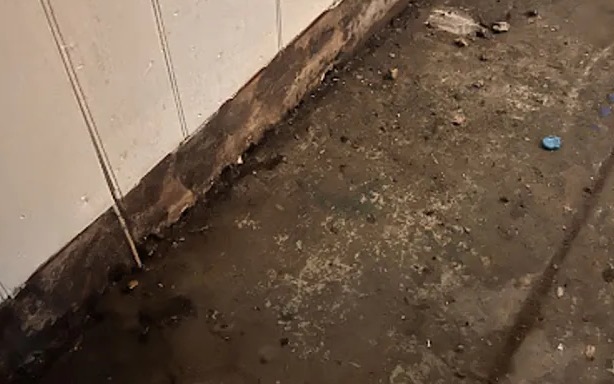
Local Sewage Water Removal Services for Farmington
In Farmington, carpet and pad soaked by a sewage backup usually have to be removed, since porous materials hold germs even after surface cleaning.
Emergency sewage cleanup in Farmington is available around the clock to address sudden sewage spills or backups that pose health risks. Sewage water extraction experts respond quickly to contain the spill and begin extraction, serving Farmington and nearby areas.
Specialized Sewage Water Removal for Farmington Properties
Sewage Contaminated Drywall Removal
Leaving sewage-affected drywall creates a long-term health hazard from trapped bacteria and mold. Professional removal follows a precise process to minimize dust and cross-contamination.
Black Water Extraction Service
Rapid black water extraction prevents deeper soaking into building materials. Using industrial-grade pumps, sewage removal pros can remove hundreds of gallons per hour.
Sewage Odor Neutralization
Sewage Odor Neutralization addresses persistent smells after water removal. Foggers and air scrubbers are used to neutralize odors at the source, restoring air quality for properties in Farmington.
Sewage System Clog Clearing
A clogged main sewer line is the usual cause of a backup. Pros can clear enough of the clog for water to flow, then a plumber should inspect the line.
Contaminated Carpet Removal
Sewage-soaked carpet holds contaminants that cleaning cannot reach, so it has to go. Pros bag it carefully, then sanitize and dry the subfloor for new flooring.
Warning Signs You Need Sewage Water Removal
Sewage Backup After Heavy Rain
Flooding that forces sewage back into the home is an emergency, requiring fast sewage spill containment.
Discolored Carpet or Flooring
Stains or damp spots in carpet near a drain may come from a hidden sewage backup. Contaminated carpet usually has to be removed.
Slow Drains Throughout Home
Multiple slow drains point to a widespread sewer line issue, a key sign of pending sewage water damage.
Black Water in Toilets
Toilets overflowing with unsanitary black water signal a main line clog, a serious sewage spill requiring containment.
How Sewage Water Removal Works in Farmington
Step 1: Immediate Sewage Threat Mitigation
The pros prioritize stopping the active flow and securing the site. This rapid mitigation reduces the overall scope and cost of the sewage cleanup.
Step 2: Targeted Sewage Spill Cleanup
Cleanup focuses on specific impacted zones, removing sewage from each area methodically. The process includes detailed sewage spill cleanup of fixtures and affected contents.
Step 3: Decontamination and Odor Elimination
A two-phase treatment addresses both surfaces and the air. Specialists perform sewage odor neutralization to eradicate smells, not just mask them, after decontamination.
Step 4: Verification Drying and Documentation
Pros use moisture meters to verify all materials are dry. They also document the entire sewage damage repair process with photos and readings for your records.
Frequent Sources of Sewage Spills in Farmington
Municipal Sewer System Overload
Heavy rainfall or system failures can overwhelm public sewers, forcing contaminated water back into residential properties.
Vandalism or Accidental Damage
A pipe struck during digging or deliberate tampering can break a sewer line and send waste into the property.
Aging or Collapsed Sewer Pipes
Old, corroded, or broken pipes leak sewage into the ground or foundation, leading to extensive sewage water damage.
Main Sewer Line Blockages
Tree roots, grease, or foreign objects can completely obstruct the main line, causing sewage backup into the home.
Sewage Water Removal for Homes and Businesses in Farmington
Residential Sewage Water Removal
Sewage water damage in residences requires careful extraction and disinfection. The experts use industry-standard methods for black water removal from floors and carpets.
Commercial Sewage Water Removal
Commercial sewage cleanup often involves larger-scale extraction and faster drying to resume business. The pros manage sewage system clog clearing and sanitization in warehouses, medical facilities, or multi-tenant buildings, coordinating around business hours when possible.
The Risks of DIY Sewage Water Removal in Farmington
After pros extract and sanitize, keep their fans and dehumidifiers running and the area ventilated. Do not remove the equipment early or treat the odor with store-bought chemicals.
Factors Affecting Sewage Water Removal Pricing in Farmington
In Farmington, sewage cleanup price depends on whether the backup came from the main line or an inside drain, how many square feet were affected, and whether drywall or carpet must be removed.
Affected Square Footage
The total area covered by sewage dictates the scale of extraction, drying, and disinfection efforts required for complete sewage damage repair.
Required Drying Time
The duration for structural drying after sewage water extraction depends on material saturation levels and ambient humidity in the space.
Odor Neutralization Scope
Strong odors may need air scrubbers and extra treatment, which adds to the cost.
Does Insurance Cover Sewage Water Removal?
Whether insurance covers sewage water removal depends entirely on your policy's specific terms and the covered peril that caused the backup. The pros document all damage with photos and moisture readings for your claim submission.
Benefits of Local Sewage Experts in Farmington
Detailed Damage Documentation
Systematic photo and data logging creates a clear record for your reference and any potential insurance claim review.
Containment Protocol Execution
Immediate setup of barriers prevents cross-contamination, keeping the sewage spill confined to the originally affected area during cleanup.
Clog Identification Assistance
Helping pinpoint the location and nature of a blockage in the sewage system during the initial assessment phase.
Urgent Sewage Water Removal Response for Farmington
Sewage spreads germs through your home. For black water in Farmington, call (801) 514-7356 now so the pros can contain the spill and start removal.
Call Now (801) 514-7356Sewage Water Removal for Farmington and Surrounding Communities
Emergency sewage cleanup is available in Farmington, and nearby places including Fruit Heights, Centerville and Kaysville.
- Sewage Water Removal in Fruit Heights
- Sewage Water Removal in Centerville
- Sewage Water Removal in Kaysville
- Sewage Water Removal in West Bountiful
- Sewage Water Removal in Bountiful
- Sewage Water Removal in Woods Cross
- Sewage Water Removal in Layton
- Sewage Water Removal in North Salt Lake
- Emergency Damage Restoration in 84025
- Storm Damage Restoration in 84025
- Water Damage Restoration in 84025
- Water Extraction Service in 84025
- Water Leak Detection in 84025
- Water Removal Service in 84025
Your Sewage Water Removal Questions Addressed
Why might drywall need removal after sewage exposure?
Sewage affected drywall removal is standard because drywall is porous and wicks contaminated water upward. It cannot be reliably disinfected and must be cut out and disposed of safely.
What tools are used for sewage extraction?
Truck-mounted or portable extractors and pumps remove the black water. Air movers, dehumidifiers and moisture meters handle the drying.
Why is sewage contamination cleanup a health priority?
Sewage contains harmful bacteria, viruses, and parasites. Prompt professional cleanup is a health priority to eliminate these pathogens and prevent illness or long-term exposure risks in the home.
What does sewage damage sanitization entail?
Sanitization after sewage exposure involves applying EPA-registered antimicrobial disinfectants to all affected hard surfaces, and sometimes fogging the air, to kill bacteria, viruses, and fungi from the contamination.
What causes a sewage system clog needing clearing?
Clogs are often from flushed non-dissolvable items, grease buildup, tree root intrusion, or collapsed pipes. Clearing identifies the blockage location and safely removes it to restore flow.