Layton, UT · Davis County
Sewage Water Removal in Layton, UTSewage Backup Cleanup & Sewage Contaminated Drywall Removal
Professional sewage water removal in Layton includes sewage odor neutralization, sewage damage sanitization, and sewage spill containment.
Answered 24/7
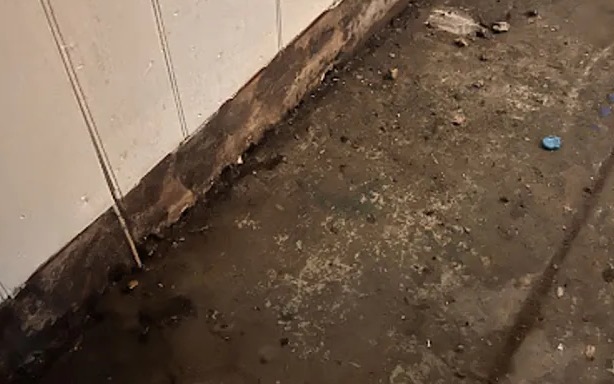
Rapid Sewage Water Removal Response in Layton
In Layton, carpet and pad soaked by a sewage backup usually have to be removed, since porous materials hold germs even after surface cleaning.
For homes in Layton, sanitizing after black water removal kills the bacteria and viruses left on surfaces. Local pros also clear sewer clogs for properties in Kaysville, Clearfield and South Weber to prevent repeat backups.
Sewage Water Removal Services in Layton, UT
Sewage Backup Cleanup
After a backup, sewage has to come out fast to protect your health and the structure.
Sewage Contaminated Drywall Removal
Porous drywall cannot be decontaminated after sewage contact. Removal involves cutting above the water line, taking out wet insulation, and disposing of hazardous materials.
Sewage Odor Neutralization
Sewage Odor Neutralization addresses persistent smells after water removal. Foggers and air scrubbers are used to neutralize odors at the source, restoring air quality for properties in Layton.
Sewage Spill Containment
Containing a sewage spill protects unaffected areas from cross-contamination. Professionals secure the site before beginning sewage water extraction and cleaning.
Black Water Extraction Service
Black Water Extraction Service removes Category 3 water, grossly contaminated with pathogens. It is the first physical step.
Symptoms Requiring Sewage Water Removal in Your Home
Black Water in Toilets
Toilets overflowing with unsanitary black water signal a main line clog, a serious sewage spill requiring containment.
Sewage Pooling in Yard
Wet spots or effluent surfacing in the yard indicates a broken sewer pipe, causing sewage water damage outdoors.
Strong Sewage Odor Inside
Persistent foul smells suggest sewage contamination that has spread beyond visible areas, needing odor neutralization.
Sewage Around Floor Drains
Sewage pooling around floor drains points to a major blockage or a failed sewer pipe. Stay out of the water and get it removed.
How Sewage Water Removal Works in Layton
Step 1: Hazardous Sewage Containment
The first action is to create a physical barrier around the sewage spill. This containment prevents pathogens from spreading to other rooms during the sewage backup cleanup.
Step 2: Professional Sewage Extraction
Submersible pumps and extractors remove the black water, including what has seeped into cracks and under flooring.
Step 3: Antimicrobial Treatment and Disposal
All surfaces receive a hospital-grade disinfectant application for sewage sanitization. Irreparably damaged materials are bagged and tagged for proper hazardous waste disposal.
Step 4: Air Purification and Moisture Control
Air scrubbers with HEPA filters clean airborne contaminants. Concurrently, industrial drying equipment controls humidity, finalizing the emergency sewage cleanup process.
Frequent Sources of Sewage Spills in Layton
Septic Tank Backup or Failure
A full, damaged, or malfunctioning septic system can force raw sewage back into the home's plumbing fixtures.
Flushing Non-Flushable Items
Wipes, hygiene products and paper towels clump together in the pipes and form blockages that push sewage back into the home.
Main Sewer Line Blockages
Tree roots, grease, or foreign objects can completely obstruct the main line, causing sewage backup into the home.
Improperly Installed Plumbing
Incorrect slopes or faulty connections in drain lines create recurring clogs and frequent sewage backup issues.
Residential and Commercial Sewage Water Removal in Layton
Residential Sewage Water Removal
A sewage backup at home is a health emergency. Local pros clean and sanitize bathrooms, basements and living areas, and remove soaked drywall and carpet.
Commercial Sewage Water Removal
A sewage spill can close a business. Pros contain it quickly, then sanitize and deodorize retail, office or restaurant space so it can meet health codes and reopen.
Hiring Sewage Removal Pros vs. DIY Sewage Cleanup
You can research sewage cleanup cost factors online to better understand the scope of work. Get clarity by asking the local sewage cleanup specialists about their process for sewage removal. Remember, never attempt black water removal yourself due to severe health risks.
What Influences Sewage Removal Cost in Layton
In Layton, cost depends on how contaminated the water is, how long it has been standing and how much sanitizing the space needs.
Odor Neutralization Scope
Strong odors may need air scrubbers and extra treatment, which adds to the cost.
Emergency Response Timing
A 24/7 emergency sewage cleanup call, especially after hours, typically involves a faster response for immediate containment.
Source of Contamination
A main sewer line backup involves more hazardous black water and wider contamination than an isolated toilet overflow, impacting safety protocols and cleanup scope.
Does Insurance Cover Sewage Water Removal?
Many homeowners policies cover sudden accidental discharges but may exclude groundwater or main line backups. Pros record the contamination and sanitizing work for your insurer.
Selecting Sewage Removal Pros for Sewage Issues in Layton
Comprehensive Odor Neutralization
Beyond cleaning, advanced deodorization techniques tackle persistent sewage smells at the source, not just masking them with fragrances.
Safety-Centered Approach
Utilizing personal protective equipment and establishing work zones to protect occupants and pros from hazardous sewage pathogens.
Porous Material Removal
Recognizing when carpet, drywall, or insulation cannot be salvaged and must be removed and bagged for safe, proper disposal.
Immediate Emergency Sewage Removal in Layton
Sewage contamination cleanup cannot be postponed. To stop the spread of harmful bacteria and begin restoration, contact sewage damage restoration pros at (801) 514-7356. They are available anytime for rapid response in Layton.
Call Now (801) 514-7356Local Sewage Water Removal Coverage for Layton and Beyond
Sewage removal encompasses Layton and the broader region, including Kaysville, Clearfield and South Weber. Whether from a main line break or an internal drain clog, professional sewage damage repair and sanitization restore safety to affected homes.
- Sewage Water Removal in Kaysville
- Sewage Water Removal in Clearfield
- Sewage Water Removal in South Weber
- Sewage Water Removal in Syracuse
- Sewage Water Removal in Fruit Heights
- Sewage Water Removal in West Point
- Sewage Water Removal in Riverdale
- Sewage Water Removal in Washington Terrace
- Emergency Damage Restoration in 84040
- Storm Damage Restoration in 84040
- Water Damage Restoration in 84040
- Water Extraction Service in 84040
- Water Leak Detection in 84040
- Water Removal Service in 84040
- Emergency Damage Restoration in 84041
- Storm Damage Restoration in 84041
Frequently Asked Sewage Water Removal Questions
Can sewage odor be permanently removed?
Yes. Pros clean the source, apply deodorizing agents and run air scrubbers so the odor is removed, not just masked.
Does sewage removal involve repairing the plumbing?
Sewage removal focuses on cleanup and restoration. While pros may help identify a clog's location, actual plumbing repair for the line itself typically requires a separate professional plumber, as local regulations often require specific qualifications for that work.
Is carpet salvageable after sewage contamination?
Contaminated carpet removal is usually necessary. Carpet and padding are porous and trap hazardous pathogens, making them very difficult to disinfect fully to a safe, health-standard level.
What does sewage damage sanitization entail?
Sanitization after sewage exposure involves applying EPA-registered antimicrobial disinfectants to all affected hard surfaces, and sometimes fogging the air, to kill bacteria, viruses, and fungi from the contamination.
Why might drywall need removal after sewage exposure?
Sewage affected drywall removal is standard because drywall is porous and wicks contaminated water upward. It cannot be reliably disinfected and must be cut out and disposed of safely.