Woodland Hills, UT · Utah County
Thermal Imaging Leak Detection in Woodland Hills, UTSlab Leak Thermal Detection & Plumbing Leak Infrared Inspection
In Woodland Hills, thermal imaging leak detection covers roof leak moisture mapping, plumbing leak infrared inspection and slab leak thermal detection.
Answered 24/7
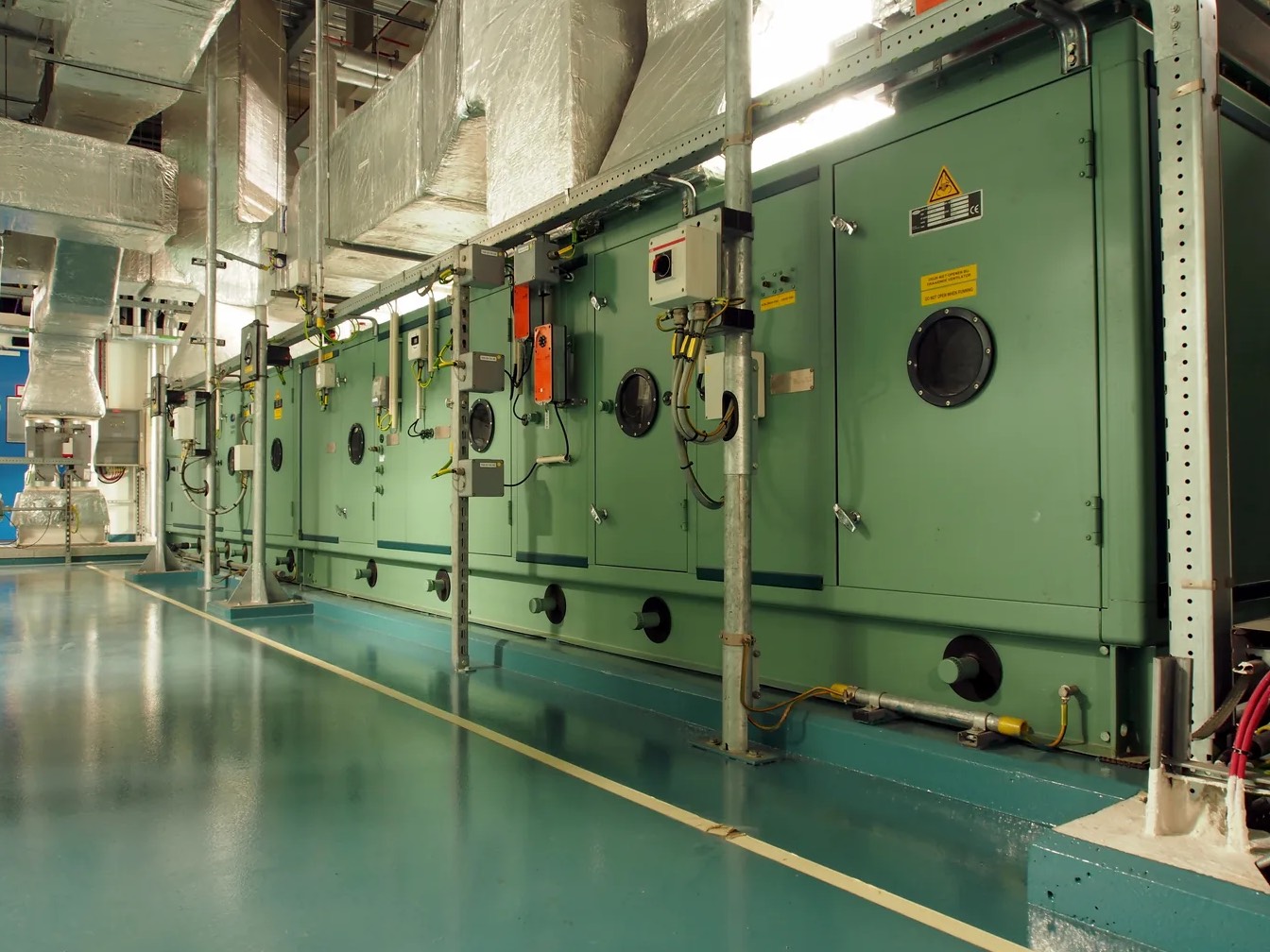
Thermal Imaging Leak Detection: Find Hidden Leaks in Woodland Hills
Water intrusion in properties around Woodland Hills can lead to structural damage and mold if not found quickly. Hidden leaks behind walls or under slabs are a common concern that requires precise identification.
Thermal imaging leak detection is a valuable service for properties in Woodland Hills and nearby areas like Elk Ridge, Salem and Payson. Using infrared technology, local moisture mapping experts can identify hidden moisture from roof leaks or plumbing issues without invasive probing.
Comprehensive Thermal Imaging Leak Detection Offerings in Woodland Hills
Slab Leak Thermal Detection
Suspected slab leaks demand precise location. Thermal detection creates a thermal image of the floor, highlighting areas affected by subsurface moisture.
Plumbing Leak Infrared Inspection
When a plumbing leak is suspected but not visible, thermal imaging provides answers. It detects subtle thermal differences, helping experts trace the leak behind cabinetry or under sinks in Woodland Hills.
Wall Ceiling Moisture Scans
Discoloration on walls and ceilings often hides larger moisture problems. A professional moisture scan uses thermal imaging to see beyond the surface, identifying water intrusion boundaries within the wall cavity.
Post-Repair Leak Verification
A final infrared inspection closes the loop on a leak repair. It checks for residual moisture or new leaks, ensuring the area is truly dry.
Roof Leak Moisture Mapping
A roof leak can travel far from its entry point. Thermal imaging creates a moisture map of the affected area, showing the full extent of water intrusion.
When to Schedule Thermal Imaging Leak Detection in Woodland Hills
Damp or Stained Drywall Sections
Wet spots or discoloration on walls are classic signs of a hidden water leak behind the surface.
Peeling Paint or Wallpaper
Peeling paint or wallpaper often means a slow leak behind the wall.
Cracking or Efflorescence on Foundation
White chalky residue or cracks on a foundation slab can signal moisture, calling for thermal imaging inspection.
Persistent Musty Odors in Rooms
A damp smell in one room that will not go away usually means moisture hidden in a wall, floor or ceiling.
How Thermal Imaging Leak Detection Works in Woodland Hills
Step 1: Scheduling the Thermal Imaging Inspection
Contact local leak detection pros to schedule a scan. Urgent leaks get a fast response.
Step 2: On-Site Thermal Camera Deployment
On site, the thermal camera leak finder is used to scan large areas quickly, identifying cool, wet spots invisible to the eye.
Step 3: Moisture Intrusion Pathway Analysis
The pros analyze how water is moving, performing moisture intrusion pathway analysis to understand the full scope of the problem.
Step 4: Clear Communication of Next Steps
You receive a straightforward explanation of the leak's location and the recommended next steps for repair, based on the thermal evidence.
Common Causes for Thermal Imaging Leak Detection in Woodland Hills
Tree Root Intrusion Into Sewer Lines
Roots seeking moisture can invade and crack underground sewer pipes, causing slow, hidden leaks in the yard or slab.
Foundation Shifts and Settlement Cracks
Ground movement creates cracks in a foundation slab, letting groundwater seep in and cause hidden moisture issues.
Clogged or Damaged Gutters and Downspouts
Blocked gutters cause water to overflow and pool against a home's exterior, promoting moisture intrusion pathway analysis.
High Water Pressure Stressing Pipes
Excessively high water pressure strains pipe joints and fittings, making them prone to failure and leaks.
Residential and Commercial Thermal Imaging Leak Detection in Woodland Hills
Residential Thermal Imaging Leak Detection
For homes on concrete slabs, thermal cameras can help locate leaks under the floor without digging. The pros map where the warm or cool spot is.
Commercial Thermal Imaging Leak Detection
For commercial buildings, slab leak thermal detection identifies leaks in warehouse floors or underground parking garages. This allows for targeted repairs that avoid costly, widespread concrete removal and extended facility downtime.
Professional Leak Detection vs. DIY Methods in Woodland Hills
Monitor your water meter for unexplained movement when all water is off, which can indicate a leak. You can also feel for damp spots on floors or walls. Listen for running water sounds in walls.
What Affects Thermal Imaging Leak Detection Service Cost in Woodland Hills
In Woodland Hills, cost depends on whether it is an emergency call and how large the property and plumbing system are.
Leak Complexity
Multiple suspected leak sources or hard-to-access areas like deep slab leaks increase the scope of the non-invasive leak detection process.
Property Size
Larger homes in Woodland Hills require more thermal imaging scans and time for thorough hidden water leak detection across all potential moisture intrusion points.
Moisture Extent
If scans find moisture spread widely through walls and ceilings, a fuller assessment adds to the cost.
Does Insurance Cover Thermal Imaging Leak Detection?
Insurance may cover tracing a roof leak if the damage is from a covered event. The pros supply thermal images and moisture maps for your adjuster.
Why Choose Local Pros for Thermal Imaging Leak Detection in Woodland Hills
IICRC-Standard Methods
Scans are done the same way each time and recorded, so results can be compared after repairs.
Non-Invasive Leak Detection
Thermal imaging finds hidden moisture without damaging walls or floors, preserving your property's structure during the investigation process.
Objective Documentation
Thermal imaging provides visual and data-based evidence of moisture, useful for repair planning and insurance claim support.
Fast Emergency Response for Leaks in Woodland Hills
If you suspect a hidden leak is causing damage right now, call (801) 514-7356 24/7 for a thermal imaging inspection of the area.
Call Now (801) 514-7356Thermal Imaging Leak Detection for Woodland Hills and Nearby Communities
From plumbing leaks to ceiling leaks, local pros use thermal cameras in Woodland Hills and areas such as Elk Ridge, Salem and Payson.
- Thermal Imaging Leak Detection in Elk Ridge
- Thermal Imaging Leak Detection in Salem
- Thermal Imaging Leak Detection in Payson
- Thermal Imaging Leak Detection in Spanish Fork
- Thermal Imaging Leak Detection in Benjamin
- Thermal Imaging Leak Detection in Elberta
- Thermal Imaging Leak Detection in Genola
- Thermal Imaging Leak Detection in Goshen
Common Thermal Imaging Leak Detection Questions Answered
What is included in a thermal imaging water leak report?
The report typically includes thermal images, annotated moisture maps, a description of findings, and data supporting the location and extent of the water intrusion.
What are the limits of thermal imaging inspection?
It detects surface temperature differences; very deep leaks or those behind highly insulating materials may require complementary methods for complete confirmation.
How fast is emergency leak location service?
The pros offer 24/7 response for emergency thermal imaging to quickly locate the source and help mitigate spreading water damage in your property.
How does infrared leak detection find hidden leaks?
A thermal camera senses cooler surface temperatures where evaporation occurs from wet materials, creating a visual map that pinpoints moisture without physical intrusion.
Can a thermal camera leak finder detect old leaks?
It is most effective for active or recent leaks where moisture is still present and causing a temperature differential; fully dried areas may not show a signature.