West Jordan, UT · Salt Lake County
Structural Drying & Dehumidification in West Jordan, UTBuilding Material Drying & Wet Wall Cavity Drying
Structural Drying & Dehumidification in West Jordan covers wet wall cavity drying, emergency flood drying and crawl space dehumidification.
Answered 24/7
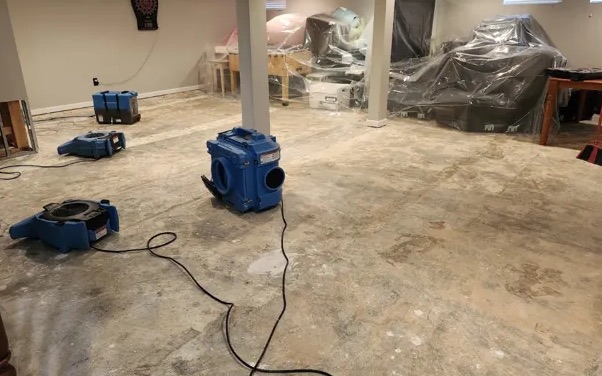
Local Structural Drying & Dehumidification for West Jordan Homes
Timely drying in West Jordan prevents staining, swelling and lasting damage. Crawl spaces and concrete slabs hold water longer than other areas, so they need professional equipment.
Water-damaged properties in West Jordan and nearby areas like Midvale, Sandy and South Jordan often have hidden moisture in wall cavities, subfloors or slabs. Local dehumidification experts dry these areas and can explain each step before work begins.
The Structural Drying & Dehumidification Process in West Jordan
Building Material Drying
Pros dry studs and sheathing in place with controlled drying, which reduces how much must be torn out.
Wet Wall Cavity Drying
Local dehumidification experts in West Jordan dry inside walls through small openings, so most drywall can stay in place.
Ceiling Cavity Drying
Drying the attic materials soaked by a roof leak protects the ceiling drywall and framing below.
Concrete Slab Drying
Pros draw water out of saturated slabs with specialized systems so new flooring adhesive does not fail later.
Hardwood Floor Drying
Professional drying can often save hardwood that got wet, if it starts before the boards buckle.
Signs of Needing Structural Drying & Dehumidification in Your Home
Soft or Crumbling Drywall
Drywall that feels soft or crumbles has absorbed a lot of water and may need removal.
Musty Odors Lingering
A damp smell that lingers points to hidden moisture in wall cavities or under floors.
Warped or Buckling Floors
Hardwood or laminate that warps or buckles has water trapped underneath it.
High Indoor Humidity
A clammy feel indoors after a leak shows humidity is too high for materials to dry.
How Structural Drying & Dehumidification Works in West Jordan
Step 1: Initial Water Extraction
Standing water is extracted from floors and surfaces so it stops soaking into materials.
Step 2: Dehumidification and Air Movement
Pros balance dehumidifiers and air movers to drive moisture out of cavities and materials.
Step 3: Detailed Cavity Drying
Hidden areas like ceiling cavities and subfloors get targeted drying tools and airflow.
Step 4: Completion and Documentation
Final dryness levels are recorded and provided for your records and insurance claim.
Common Causes Needing Structural Drying in West Jordan
Firefighting Water Damage
Water used to put out a fire soaks deeply into framing, drywall and insulation.
Natural Flooding Events
Heavy rain or overland flooding can soak large parts of a property at once.
Appliance Malfunction or Overflow
A failing water heater, washing machine or dishwasher can release a lot of water suddenly.
HVAC Condensate Drain Failure
A clogged AC drain line can spill gallons of water onto subfloors and ceilings.
West Jordan Structural Drying & Dehumidification for All Property Types
Residential Structural Drying & Dehumidification
At home, pros dry wall cavities, hardwood floors and crawl spaces to protect your family's health and the value of the house.
Commercial Structural Drying & Dehumidification
For businesses, pros dry slabs, ceiling cavities and building materials to cut downtime in offices, stores and warehouses.
Why DIY Fails for Structural Drying & Dehumidification in West Jordan
Move valuables and furniture out of the water's path to prevent more damage. Water that pools under floors or inside walls needs professional drying equipment to remove.
Understanding Structural Drying & Dehumidification Expenses in West Jordan
Hardwood floor drying often costs more than drying a concrete slab, and longer equipment run times add to the total.
Water Category and Source
Clean water from a supply line is simpler to handle than contaminated floodwater.
Extent of Saturation
A soaked subfloor takes longer to dry and needs more powerful dehumidifiers.
Affected Square Footage
Larger wet areas need more drying equipment and labor, which raises the cost.
Does Insurance Cover Structural Drying & Dehumidification?
Insurance may cover drying when a covered event like a storm caused the damage, while gradual leaks are often excluded. Confirm with your insurer before work begins.
Why Choose Local Experts for Structural Drying & Dehumidification in West Jordan
Moisture Remediation Focus
The goal is full drying of hidden materials, not just removing the visible water.
Industrial-Grade Equipment
Large air movers and dehumidifiers dry far faster than household fans and units.
Precision Hardwood Floor Drying
Hardwood floors are dried gently to limit cupping and avoid replacing the boards.
Urgent Structural Drying & Dehumidification Available in West Jordan
An emergency needs professional attention. For drying of walls and floors in West Jordan, call (801) 514-7356; local pros are available 24/7 for these calls.
Call Now (801) 514-7356Structural Drying & Dehumidification Near West Jordan: Areas Served
Local pros in West Jordan handle home and business drying, from wall cavities to crawl spaces, and serve Midvale, Sandy and South Jordan.
Structural Drying & Dehumidification FAQs
What areas of a home need moisture remediation after a leak?
Wet floors and walls, plus hidden spaces like wall cavities, subfloors, ceilings and under cabinets.
How does emergency drying differ from standard drying?
The methods are the same, but emergency drying starts, even after hours, to limit loss.
What is wet wall cavity drying?
Small openings or injection systems push dry air inside the wall to dry studs and insulation that fans cannot reach.
What is involved in the structural drying process?
Measuring moisture, placing air movers and dehumidifiers and checking progress until materials reach dry standards.
Does drying prevent lasting damage?
Yes. Removing water quickly stops swelling, rot and odors and is the most important step after a leak.