West Jordan, UT · Salt Lake County
Smoke Ventilation Services in West Jordan, UTKitchen Smoke Ventilation & Smoke Ventilation System Testing
Smoke Ventilation Services in West Jordan includes emergency smoke ventilation, smoke ventilation system repair and smoke ventilation duct cleaning.
Answered 24/7
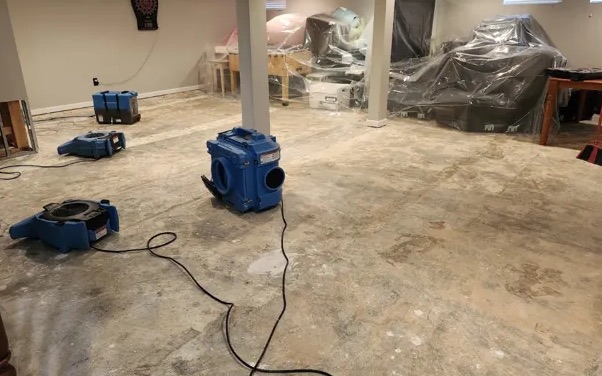
Professional Smoke Ventilation Services in West Jordan, UT
Smoke ventilation testing shows whether sensors, controls, fans and dampers work together as designed. Without it, owners may not learn of a hidden fault until a real fire.
Dust and debris build up in vents and ducts over time in West Jordan homes and buildings. Local smoke extraction experts clean ducts and test systems in West Jordan and nearby towns like Midvale, Sandy and South Jordan.
Comprehensive Smoke Ventilation Services in West Jordan
Kitchen Smoke Ventilation
A kitchen system needs a correctly sized hood and enough make-up air to pull smoke and grease out properly.
Smoke Ventilation System Testing
Tests cover automatic and manual starts and measure response time and the pressure differences the system was built to reach.
Commercial Smoke Ventilation
High ceilings and multiple floors call for powerful fans and automatic dampers sized for the space.
Smoke Control System Maintenance
Pros test backup batteries, clean fan blades and calibrate sensors so small issues do not become a total failure.
Smoke Ventilation System Installation
The experts tie the controls to the fire alarm so the system starts and keeps exit routes usable.
When to Consider Smoke Ventilation Services in West Jordan
Inoperative Ventilation System Fans
Fans that do not start during a test are a serious failure that needs repair before a real fire.
Slow Clearing of Smoke Haze
Smoke haze that hangs in the air for hours points to a system that is not drawing air out.
Reduced Airflow From Ventilation Vents
Weak airflow from smoke vents during a test points to a blockage or a failing fan.
Wet or Damp Insulation Near Vents
Damp insulation near vents means water is getting in, which can corrode ducts and short controls.
How Smoke Ventilation Services Work in West Jordan
Step 1: Emergency Smoke Ventilation Assessment
Pros check smoke density and the affected zones to choose how to ventilate the building.
Step 2: Strategic Vent Opening and Fan Placement
Designated vents are opened and portable fans are placed to create a controlled path for smoke to leave.
Step 3: Active Smoke Extraction Operation
Fans pull smoky air out while fresh air comes in, clearing the space as quickly as possible.
Step 4: Air Quality Verification and System Reset
Air quality is checked, and the permanent system is tested and reset to normal standby.
Common Causes of Smoke Ventilation Failure
Lack of Regular System Maintenance
Skipped maintenance lets dust, debris and mechanical wear slowly weaken the system.
Incorrect Initial System Installation
Undersized ducts or poorly placed fans from the original installation limit performance from the start.
Control System Programming Errors
Wrong sequencing or zoning in the control programming can delay or block the system from starting.
Physical Damage to Ductwork
Dented, collapsed or punctured ducts from construction or pests sharply restrict airflow.
All-Property Smoke Ventilation Services in West Jordan
Residential Smoke Ventilation Services
Range hoods and kitchen ducts carry away greasy cooking vapor, and regular cleaning keeps smoke from spreading through the house.
Commercial Smoke Ventilation Services
Restaurant exhaust handles intense heat and grease loads, and a failure can let fire spread quickly and force the kitchen to close.
When to Hire Smoke Extraction Experts for Smoke Ventilation Services
Learn where the manual override controls are, if your system has them, and how to start the system if the panel fails. Leave troubleshooting, upgrades and testing to the pros.
Understanding Smoke Ventilation Services Pricing in West Jordan
Kitchen projects in West Jordan depend on the exhaust power needed, the hood size and the ducting required by code.
Building Type
Commercial systems usually have more zones and alarm links than a standard home setup.
Emergency Timing
A 24/7 response for urgent problems at night or on weekends may be priced higher than scheduled work.
Component Condition
Whether fans, dampers or controls can be repaired or must be replaced sets the parts cost.
Does Insurance Cover Smoke Ventilation Services?
Coverage depends on your policy and the cause of the system failure. After a fire, the experts document the damage with photos and readings, and your insurer makes the final decision.
Benefits of Local Experts for Smoke Ventilation Services
Comprehensive Testing
Testing measures airflow and response so you know the system will work when it is needed.
Duct Cleaning Protocols
Proper tools clean soot and grease from ducts so the smoke path stays open.
Residential Ventilation Focus
Home systems like range hoods and attic fans get installation and repair suited to the house.
Emergency Smoke Ventilation Services Available in West Jordan
Losing smoke ventilation in your home needs early professional help. Call (801) 514-7356 for 24/7 help restoring smoke removal and airflow.
Call Now (801) 514-7356Service Area for Smoke Ventilation Services
In West Jordan and surrounding communities such as Midvale, Sandy and South Jordan, the experts provide installation, emergency service and maintenance.
Your Smoke Ventilation Services Questions Resolved
What is involved in a smoke ventilation inspection?
Visual checks of all parts, tests of the start sequence, airflow measurements and notes on any faults.
How often should smoke ventilation systems be tested?
At least once a year, and more often for commercial kitchens or high-risk buildings, depending on code.
What happens during smoke ventilation system repair?
Pros find the fault, such as a damaged fan or stuck damper, then fix or replace that part.
What is a smoke ventilation system?
A set of vents, fans and controls that pulls smoke out during a fire so exit routes stay clear and visible.
What are signs of a failing smoke control system?
Weak airflow, noisy fans, failure to start during a test, or soot around duct openings from a blockage.