Salt Lake City, UT · Salt Lake County
Septic Tank Backup Water Removal in Salt Lake City, UTSeptic Backup Flood Water Removal & Septic Tank Drain Backup Cleanup
Septic Tank Backup Water Removal in Salt Lake City involves septic tank backup water extraction, septic backup sewage cleanup and septic overflow decontamination.
Answered 24/7
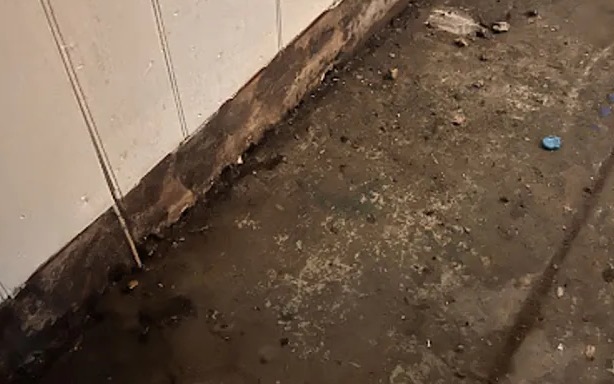
Professional Septic Tank Backup Water Removal in Salt Lake City, UT
Emergency septic backup service in Salt Lake City responds to the urgent need to remove hazardous water from living spaces. The overflow creates an immediate environment unfit for occupancy.
Septic tank backup water removal services in Salt Lake City are vital for homes that rely on septic systems, which can fail due to blockages or heavy use. Properties in nearby areas like South Salt Lake, Millcreek and North Salt Lake also face similar risks from septic overflows.
Septic Tank Backup Water Removal Services in Salt Lake City
Septic Backup Flood Water Removal
Local septic overflow cleanup specialists in Salt Lake City extract all contaminated liquid using high-volume pumps and vacuums. This rapid response helps contain the damage.
Septic Tank Drain Backup Cleanup
Cleanup for a septic tank drain backup in Salt Lake City involves clearing blockages and removing all contaminated water from the plumbing system. Local cleanup specialists then sanitize the drain lines and fixtures.
Emergency Septic Backup Response
The fast emergency response from septic overflow cleanup specialists aims to contain the health hazard and limit secondary damage like mold growth. Initial actions focus on securing the area and removing the sewage water.
Septic System Water Damage Repair
Repair work addresses structural components like floor joists or wall studs compromised by contaminated water. Repairs follow once the area is clean and dry.
Septic Overflow Decontamination
For a septic overflow, the pros perform a full decontamination to neutralize biohazards. This service prepares the structural materials for any necessary repairs or reconstruction work.
Signs of Septic Tank Trouble in Salt Lake City
Toilets Flush Slowly or Not at All
Weak flushing action or water rising to the rim indicates a severe septic line backup. This is a common trigger for emergency septic backup response.
Multiple Drains Backing Up Simultaneously
When several fixtures clog or drain slowly at once, the problem is usually the main line or the tank, not a single clog.
Drains Back Up After Heavy Rain
Drains that back up after storms often mean the drain field is saturated and the tank cannot drain.
Gurgling Sounds From Plumbing Vents
Bubbling or gurgling noises from roof vents or inside drains often precede visible septic tank flooding. Air is trapped by a blockage in the line.
How Septic Tank Backup Water Removal Works in Salt Lake City
Step 1: Septic Backup Evaluation
The work starts with sizing up the backup and deciding what must be removed first.
Step 2: Extract Contaminated Water
Sewage and water are extracted from the drain area to stop contamination from spreading.
Step 3: Sanitize and Deodorize
Decontamination and odor treatments are applied to every surface to remove bacteria and smells.
Step 4: Restore Damaged Areas
Drying and repairs finish the job and return the rooms to normal use.
Triggers for Septic Tank Backup Water Removal in Salt Lake City
Improper Tank or System Design
A tank or drain field that is too small for the household leads to repeated backups.
Flushing Non-Biodegradable Items
Wipes, hygiene products and grease build up in pipes and cause stubborn clogs that push sewage back inside.
Broken or Misaligned Sewer Pipes
Settling soil, age or pressure can break the main line from the house to the tank.
Excessive Water Usage Overloading System
Too much water entering the tank at once can overwhelm it and send sewage back into the home.
All-Property Septic Tank Backup Water Removal in Salt Lake City
Residential Septic Tank Backup Water Removal
A septic backup in a home can soak subfloors, cabinets and belongings. The pros extract the sewage, remove what cannot be cleaned, disinfect and dry, and document the damage for your claim.
Commercial Septic Tank Backup Water Removal
Offices and multi-tenant buildings on septic systems need backups cleaned up with little disruption. The pros contain the area, extract the sewage and run air scrubbers for odor.
The Dangers of DIY Septic Tank Backup Water Removal in Salt Lake City
You can safely turn off the water supply to toilets and appliances to prevent adding volume to the backup. Document visible damage with photos for your records.
Septic Tank Backup Water Removal Cost in Salt Lake City, UT
The price depends on how severe the septic water damage is and how much material must be removed.
Odor Removal Needs
Persistent septic backup odors often need advanced air scrubbing and sealing techniques, which require additional equipment and time to address effectively.
Damage Documentation
Detailed septic water damage documentation for insurance purposes involves time for photos, moisture mapping, and report preparation by the specialists.
Required Water Extraction
The amount of sewage to remove sets the number of pumps and the time needed on site.
Does Insurance Cover Septic Tank Backup Water Removal?
Coverage for residential septic backup cleanup hinges on the source of the problem. Policies often exclude damage from gradual neglect or lack of maintenance, focusing on sudden and direct causes.
Advantages of Septic Tank Backup Water Removal from Septic Overflow Cleanup Specialists in Salt Lake City
Thorough Drain Backup Cleanup
The process addresses the septic tank drain backup completely, cleaning the affected plumbing fixtures and surrounding areas.
IICRC-Standard Decontamination
Septic overflow decontamination follows industry protocols to neutralize harmful pathogens and bacteria, making the affected area safe again.
Containment Protocols
Work areas are sealed off so sewage is not tracked into clean rooms during the cleanup.
Emergency Septic Backup Help in Salt Lake City
Residential septic backup cleanup is urgent due to contamination risks. If you have a septic backup, get help now from the specialists available 24/7 by contacting them at (801) 514-7356.
Call Now (801) 514-7356Local Septic Tank Backup Water Removal for South Salt Lake, Millcreek and North Salt Lake
In Salt Lake City, septic backups are cleaned up by the pros, who also serve nearby places such as South Salt Lake, Millcreek and North Salt Lake.
- Septic Tank Backup Water Removal in South Salt Lake
- Septic Tank Backup Water Removal in Millcreek
- Septic Tank Backup Water Removal in North Salt Lake
- Septic Tank Backup Water Removal in Murray
- Septic Tank Backup Water Removal in West Valley City
- Septic Tank Backup Water Removal in Taylorsville
- Septic Tank Backup Water Removal in Holladay
- Septic Tank Backup Water Removal in Bountiful
- Emergency Damage Restoration in 84101
- Storm Damage Restoration in 84101
- Water Damage Restoration in 84101
- Water Extraction Service in 84101
- Water Leak Detection in 84101
- Water Removal Service in 84101
- Emergency Damage Restoration in 84102
- Storm Damage Restoration in 84102
Septic Tank Backup Water Removal Common Questions Answered
How is septic tank drain backup cleanup performed?
Specialists clear the drain line if possible, then extract standing water and meticulously clean all fixtures and surfaces that came into contact with the contaminated backup.
Is septic backup odor removal always necessary?
Almost always. Persistent odors indicate lingering contamination or moisture. Odor removal uses specialized equipment like hydroxyl generators or ozone machines to eliminate smells at their source.
What is septic tank backup water removal?
It is safely extracting contaminated water from a failed septic system, then cleaning and decontaminating the affected rooms.
Why is septic water damage documentation important?
Photos and moisture readings create a record for your insurance claim that shows the extent of the loss.
Can septic system water damage repair be extensive?
Yes. Subfloors, drywall or insulation soaked with contaminated water usually have to be removed and replaced.