Hideout, UT · Wasatch County
Floodwater Removal in Hideout, UTFlooded Basement Water Extraction & Contaminated Floodwater Removal
Floodwater Removal in Hideout covers storm flood water pumping, flood damaged drywall removal and contaminated floodwater removal.
Answered 24/7
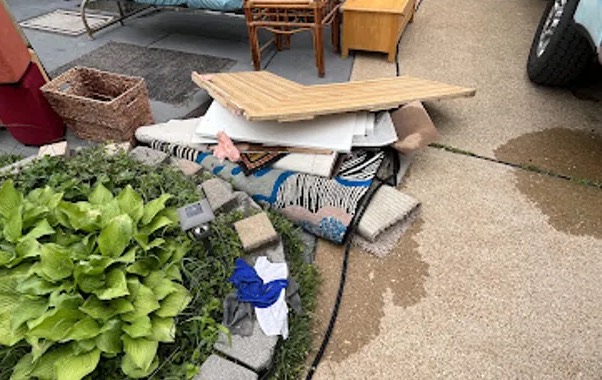
Local Floodwater Removal Services in Hideout, Utah
In Hideout, removing floodwater is the first step before any repair work, from new drywall to new flooring.
In Hideout, flood cleanup includes drying flooded rooms and removing soaked drywall. Local floodwater removal pros also work around the clock in nearby Park City, Kamas and Francis.
Comprehensive Floodwater Removal Solutions in Hideout
Flooded Basement Water Extraction
When a basement floods, fast action is needed. The floodwater removal process starts with industrial-grade extraction equipment to remove hundreds of gallons of water.
Contaminated Floodwater Removal
Contaminated floodwater leaves behind pollutants on surfaces. The cleanup service includes agitating and removing silt, mud, and other debris from floors and walls.
Flood Damaged Drywall Removal
Drywall is highly porous and often unsalvageable after flood contact. Water removal pros carefully cut and remove saturated drywall sections to expose wall cavities for drying and inspection.
Sewage Flood Cleanup
Black water flooding requires specialized expertise. After the initial extraction of the contaminated fluid, the focus shifts to detailed cleaning and sanitization of all surfaces.
Flooded Carpet Water Removal
Soggy carpets require immediate attention to prevent permanent damage. The experts perform detailed extraction to remove moisture from the carpet backing and pad.
How to Know You Need Floodwater Removal in Hideout
Gurgling Sounds in Drains
Gurgling drains can signal a sewer line problem that may cause backup. Contaminated floodwater needs protective gear and disinfection.
High Indoor Humidity Levels
Indoor humidity that stays high after a flood means drying is not finished.
Foundation Cracks Seeping Water
Water seeping through foundation cracks needs pumping out, and the crack should be checked once the area is dry.
Mold or Mildew
Mold or mildew after a flood means materials stayed wet too long and need cleanup and drying.
How Floodwater Removal Works in Hideout
Step 1: Initial Inspection and Safety Check
An inspection finds hazards and where the water came from, then the removal is planned.
Step 2: Rapid Flooded Basement Water Extraction
Pumps remove deep standing water from basements so the drying can begin sooner.
Step 3: Advanced Drying With Airflow Management
Creating directed airflow with professional-grade air movers accelerates evaporation. Dehumidifiers then capture this moisture from the air.
Step 4: Sanitization and Odor Control
After drying, wet areas are cleaned and air scrubbers may run to remove dust and odors.
What Causes Floodwater Damage in Hideout
Landscaping and Grading Issues
Yard grading that slopes toward the building sends storm water at the walls instead of away.
Roof Leaks During Downpours
A damaged roof can let water pour into an attic or upper floors, so water must be removed from several levels.
Clogged or Faulty Gutters
Clogged gutters let water pool next to the foundation, where it seeps into basements.
Sewer System Backup
Municipal sewer backups or overwhelmed septic systems can push contaminated water into a home through floor drains and toilets.
Floodwater Removal for Homes and Businesses in Hideout
Residential Floodwater Removal
In homes, hidden water in walls and under flooring is the main worry after a flood. Thermal cameras and meters find it, and the rooms are dried until readings are normal.
Commercial Floodwater Removal
Restaurants, schools, and medical facilities have strict hygiene standards. Cleanup includes disinfecting and drying so the space can pass health inspection.
The Risks of DIY Floodwater Removal in Hideout
For minor seepage, you can use towels to soak up water along baseboards. Check for obvious leaks at appliance connections and shut off the water supply if you find one. Hidden water in drywall or subfloors takes professional meters to find and equipment to dry.
Estimating Floodwater Removal Expenses in Hideout
In Hideout, pricing depends on how much water is removed, how many rooms are affected and how much drying equipment is needed.
Required Drying Equipment
The number of air movers, dehumidifiers and air scrubbers needed affects the cost.
Location and Accessibility
Flooded basements or crawl spaces that are hard to reach take more labor to pump and dry.
Emergency Service Timing
A night or weekend call may carry after-hours labor rates for the first extraction.
Does Insurance Cover Floodwater Removal?
Insurance might cover floodwater extraction if the cause is a covered peril like a ruptured appliance line. Storm or groundwater flooding typically requires a separate flood policy. Homeowners should review their policy and confirm coverage with their insurer.
Reasons to Hire Local Pros in Hideout for Floodwater Removal
24/7 Emergency Response
The pros can be reached around the clock to start removing water.
Comprehensive Damage Documentation
Notes, photos and moisture logs are kept to support your insurance claim.
Material Removal and Disposal
Wet carpet and drywall that cannot be saved are removed and hauled away.
Emergency Floodwater Removal Response in Hideout
Time matters after a flood, because water keeps soaking into floors and walls every hour. To stop the damage from spreading, call (801) 514-7356 for cleanup, extraction and wet carpet removal.
Call Now (801) 514-7356Local Floodwater Removal Coverage for Hideout
Flooding in Hideout needs professional extraction. Whether it is sewage or soaked carpet, local pros help homeowners in Hideout and Park City, Kamas and Francis.
Your Floodwater Removal Questions Answered
What is contaminated floodwater removal?
It is removing water that carries sewage, chemicals or bacteria. It needs protective gear, disinfection and often removal of porous materials.
Is storm flood water pumping a typical part of floodwater removal?
Yes. Submersible pumps remove large amounts of standing water after storms, which is the first step in cleanup.
What happens during flooded basement water extraction?
Pumps remove the standing water, extractors pull water from floors, and dehumidifiers and air movers dry the space.
How does sewage flood cleanup differ?
Sewage cleanup needs protective gear, antimicrobial treatment and usually more removal of contaminated materials than clean water does.
What steps are taken for water trapped beneath flooring?
Yes. Extraction tools can draw water from subfloors, though sometimes the flooring has to come up so the subfloor can dry.