Cedar Hills, UT · Utah County
Condo Water Extraction in Cedar Hills, UTCondo Moisture Inspection & Water Damaged Floor Removal
Condo owners in Cedar Hills get Condo Water Extraction for condo flood cleanup, condo carpet water removal and condo leak water cleanup.
Answered 24/7
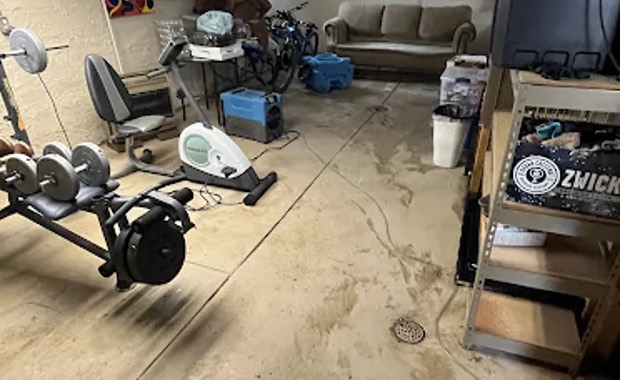
Professional Condo Water Extraction in Cedar Hills, UT
Condo units in Cedar Hills are stacked and side by side, with plumbing running through shared walls and floors. A leak in one unit can reach two or three others within hours.
A burst line in a Cedar Hills condo can reach the unit below quickly. Local condo water extraction pros serve Cedar Hills and nearby Highland, Alpine and American Fork, with help available around the clock.
Comprehensive Condo Water Extraction Services for Cedar Hills
Condo Moisture Inspection
Meters and thermal cameras check floors, walls and ceilings in the unit and in the units beside and below it.
Water Damaged Floor Removal
Only the wet sections are removed, based on readings, which keeps flooring repairs as small as possible.
Condo Water Extraction
Standing water in a condo is extracted from every wet floor, closet and cabinet base, starting where it is deepest and closest to the units below.
Condo Drying Services
Drying continues until every material reads normal, which often takes several days after extraction.
Condo Carpet Water Removal
Carpet edges are lifted so air can reach the pad and subfloor, which keeps water from reaching the ceiling below.
When to Call for Condo Water Extraction in Cedar Hills
Bubbling Paint or Wallpaper
Paint that bubbles or wallpaper that lifts usually has water behind it.
Increased Humidity Inside
A unit that feels humid or clammy after a leak still has wet materials releasing moisture.
Standing Water in Your Condo
Any standing water in a condo needs extraction right away, before it reaches the unit below.
Mold in Corners
Dark spots in corners, closets or under sinks mean an area has stayed wet for days.
How Condo Water Extraction Works in Cedar Hills
Step 1: Source Stop and Safety Check
The leak is shut off, and outlets and light fixtures near the water are made safe.
Step 2: Bulk Water Extraction
Pumps and extractors remove standing water from every affected room and hallway.
Step 3: Detailed Drying and Dehumidification
Dehumidifiers pull moisture from the unit while air movers dry floors and walls.
Step 4: Verification of Dry Conditions
Readings are compared to dry areas before equipment is removed and repairs begin.
Common Causes Requiring Condo Water Extraction in Cedar Hills
Water Heater Failure
Water heater tanks corrode with age and can leak or burst inside the unit's closet.
HVAC System Condensation Issues
AC units and air handlers overflow when their condensate drains clog, wetting closets and ceilings.
Clogged or Backed-Up Drains
Clogged building drains can back up into tubs, showers and floor drains on lower floors.
Plumbing Fixture Failures
Faucets, toilets and valves wear out and leak into cabinets, floors and walls over time.
Condo Water Extraction for Residential and Commercial Properties in Cedar Hills
Residential Condo Water Extraction
Condo owners who live in their unit can usually stay during drying, with equipment placed to keep key rooms usable. Belongings are moved out of the water first.
Commercial Condo Water Extraction
Associations and property managers get records for each affected unit and common area, which helps with repairs, owner communication and insurance.
The Risks of DIY Condo Water Extraction in Cedar Hills Condos
Tell your association and insurer as soon as you find water, and warn your neighbors below. Then call local condo water extraction pros, because quick extraction protects everyone's unit.
Factors Affecting Condo Water Extraction Cost in Cedar Hills
Plumbing and appliance repairs are separate from extraction and drying. In Cedar Hills, both are usually needed after a condo leak.
Necessary Repairs
Flooring, drywall and ceiling repairs after drying are separate from extraction costs.
Type of Water Involved
Clean water costs less to handle than toilet or drain water, which needs cleaning and more removal.
Moisture Inspection Depth
Checking neighboring units' walls and ceilings adds inspection time but finds hidden water.
Does Insurance Cover Condo Water Extraction?
Moisture readings, photos and drying logs from the pros help support condo water damage claims in Cedar Hills, for owners and associations.
Benefits of Local Pros for Condo Water Extraction in Cedar Hills
Detailed Damage Documentation
Photos, readings and drying logs are kept for each unit to support owner and association claims.
Clear Process Communication
Owners, neighbors and managers get plain updates on what is wet and when drying will finish.
Material-Specific Techniques
Carpet, hardwood, vinyl and drywall are each handled with methods suited to that material.
Emergency Condo Water Extraction Response for Cedar Hills
Condo water heads for the unit below. Call (801) 514-7356 for condo water extraction in Cedar Hills at any hour to keep the damage contained.
Call Now (801) 514-7356Condo Water Extraction Near Cedar Hills: Areas Served
Help with condo water extraction is also available in communities near Cedar Hills, including Highland, Alpine and American Fork, for condo units and common areas.
Condo Water Extraction FAQ for Cedar Hills Residents
What is the goal of professional moisture removal?
To dry floors, walls and ceilings fully so repairs do not trap moisture that causes odors and stains later.
Can wet carpet be saved after a condo flood?
Often yes, if the water was clean and extracted quickly. The pad is usually replaced, while the carpet is dried and relaid.
What are signs I need condo leak water cleanup?
Ceiling stains, swollen baseboards, damp carpet, musty smells and a water meter that moves with fixtures off.
What equipment is used for condo water damage cleanup?
Portable extractors, pumps, air movers, dehumidifiers, moisture meters and thermal cameras sized for condo units.
What does a condo moisture inspection include?
Readings on floors, walls and ceilings in the unit and in neighboring units' shared walls and ceilings.