Cedar Hills, UT · Utah County
Commercial Water Extraction in Cedar Hills, UTRetail Store Water Extraction & Restaurant Water Removal
Commercial Water Extraction in Cedar Hills covers office water extraction, warehouse flood cleanup and commercial carpet water extraction.
Answered 24/7
Professional Commercial Water Extraction in Cedar Hills, UT
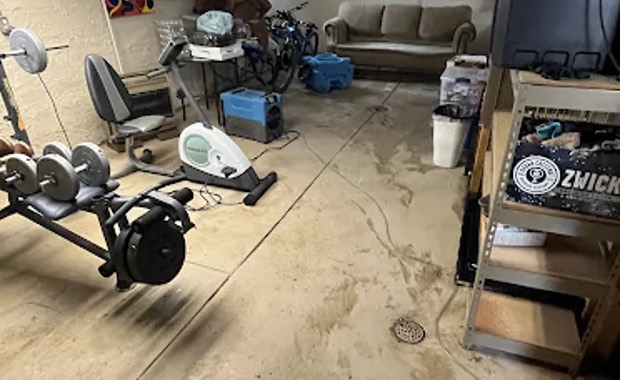
In Cedar Hills warehouses, water on the slab wicks into pallets and boxes on the bottom shelves. Moving stock off the floor is often the first step, before extraction even begins.
In Cedar Hills and Highland, Alpine and American Fork, warehouses with large slabs need pumping and big dehumidifiers after a flood. The pros bring equipment sized for the job.
Commercial Water Extraction Services in Cedar Hills
Retail Store Water Extraction
Display fixtures and shelving bases sitting in water are moved so the floor beneath can be extracted and dried.
Restaurant Water Removal
Restaurant extraction is planned to get the kitchen inspected and back open as soon as the space is clean and dry.
Business Flood Water Removal
Flood water from outside is treated as contaminated, so porous materials it soaked are removed after extraction.
Office Water Extraction
Office extraction can be scheduled for evenings or weekends so staff can keep working in dry parts of the building.
Commercial Drying Services
Large dehumidifiers and many air movers are placed across the space to dry walls, slabs and ceiling cavities after extraction.
Warning Signs You Need Commercial Water Extraction
Warped Hardwood Floors
Wood floors in lobbies or offices that cup or buckle have water underneath them.
Saturated Attic Insulation
Wet or sagging insulation above the ceiling points to a roof leak or a rooftop unit overflow.
Musty Odors in Office
A musty smell in an office or storage room often means wet carpet, walls or ceiling tiles nearby.
Wet Retail Store Stock
Wet merchandise on store shelves or in stockrooms means water is reaching sales and storage areas.
How Commercial Water Extraction Works in Cedar Hills
Step 1: Immediate Site Inspection
Safety around electrical panels and equipment is checked before anyone works in the water.
Step 2: Bulk Water Removal
Water is squeegeed toward drains or pumps, then the remaining water is extracted from the floor.
Step 3: Targeted Drying Phase
Drywall bases, ceiling cavities and slabs get directed airflow, with readings taken daily.
Step 4: Moisture Verification
Final readings are compared with dry areas to confirm each zone can reopen.
Frequent Sources of Commercial Water Damage in Cedar Hills
Natural Flooding Events
Storms and rising water can enter ground-floor businesses through doors and loading docks.
Plumbing Fixture Failures
Restroom fixtures, faucets and flush valves fail and leak into hallways and offices.
Appliance Malfunctions
Beverage machines, dishwashers, water heaters and coolers can fail and flood kitchens and break rooms.
HVAC Condensate Overflow
Rooftop and ceiling HVAC units overflow when condensate lines clog, soaking ceiling tiles below.
Commercial Water Extraction for Property Types in Cedar Hills
Residential Water Extraction
Homeowners usually need water out of a few rooms. Furniture is moved, carpet extracted and the rooms dried in order.
Commercial Water Extraction
Businesses may have water across an entire floor or warehouse. High-capacity equipment is used so the space dries in a reasonable time.
The Risks of DIY Commercial Water Extraction in Cedar Hills
Staff can shut off water at the nearest valve, move stock and electronics off the floor and keep people away from wet areas. Call local commercial water extraction experts for anything beyond a small spill.
Understanding Commercial Water Extraction Pricing in Cedar Hills
The cost of commercial water extraction in Cedar Hills depends on the size of the wet area, the type of water and how much stock and material is affected.
Water Contamination Level
Clean water costs less to handle than gray or black water, which needs cleaning and more removal.
Content and Inventory Handling
Moving, sorting and documenting stock and equipment adds time to the job.
Type of Flooring Materials
Carpet tiles, sealed concrete, wood and vinyl each extract and dry differently.
Does Insurance Cover Commercial Water Extraction?
Commercial property policies often cover sudden water damage, and some include business interruption coverage. Check your policy and call your agent as soon as the water is under control.
Why Choose Local Pros for Commercial Water Extraction in Cedar Hills
Content Protection and Moving
Stock, records and equipment are moved or protected before any extraction begins.
24/7 Emergency Response
Help is available day or night, because commercial floods do not wait for business hours.
Business Continuity
Work is scheduled around business hours where possible to limit downtime and lost sales.
After-Hours Commercial Water Extraction for Cedar Hills Businesses
Night, weekend or holiday, local commercial water extraction experts handle commercial floods in Cedar Hills. Call (801) 514-7356 to get extraction and drying under way.
Call Now (801) 514-7356Commercial Water Extraction Available Throughout Cedar Hills and Surroundings
Need commercial water extraction outside Cedar Hills? Service also covers Highland, Alpine and American Fork, including after-hours work for businesses.
- Commercial Water Extraction in Highland
- Commercial Water Extraction in Alpine
- Commercial Water Extraction in American Fork
- Commercial Water Extraction in Pleasant Grove
- Commercial Water Extraction in Lehi
- Commercial Water Extraction in Lindon
- Commercial Water Extraction in Saratoga Springs
- Commercial Water Extraction in Vineyard
Your Commercial Water Extraction Questions for Cedar Hills
What is the difference between water extraction and water mitigation?
Extraction removes the water. Mitigation covers all steps that limit damage, including extraction, moving contents and drying.
How quickly should water extraction begin after a commercial flood?
Right away. Large floors soak up water fast, and every hour adds drying time, damaged stock and downtime.
What records are provided after commercial water extraction?
Photos, moisture readings, lists of removed materials and damaged stock, and daily drying logs for each area.
What is involved in commercial water extraction?
Stopping the source, protecting stock and equipment, pumping and extracting water from every affected area and setting up drying equipment.
What drying process follows commercial water removal?
Large dehumidifiers and air movers dry walls, slabs and ceilings, with readings taken daily until normal.