South Salt Lake, UT · Salt Lake County
Attic Water Removal in South Salt Lake, UTCeiling Water Damage Cleanup & Attic Moisture Inspection
Attic Water Removal in South Salt Lake runs from roof leak water removal and wet attic insulation removal to ceiling water damage cleanup.
Answered 24/7
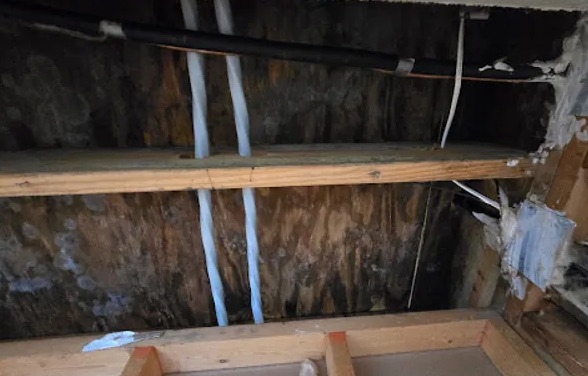
Reliable Attic Water Removal Near South Salt Lake
In South Salt Lake, the most common attic water sources are roof leaks, attic AC units and plumbing that runs through the attic. Each one needs to be stopped before drying can work.
A heavy storm in South Salt Lake can push water into an attic overnight. Local water extraction specialists serve South Salt Lake and nearby Millcreek, Murray and Salt Lake City, with help available around the clock.
Specialized Attic Water Removal for South Salt Lake
Ceiling Water Damage Cleanup
Fallen drywall, wet insulation and debris in the room below are cleaned up, and floors and furniture are protected during the work.
Attic Moisture Inspection
Readings are recorded at the start and at each visit, giving a clear drying history for your records and insurer.
Attic Leak Water Cleanup
Water-stained debris, wet cardboard and soaked stored items are cleared out so the attic floor can be dried.
Wet Attic Insulation Removal
Only the wet sections come out. The edges of the wet area are checked with a meter so dry insulation is not removed by mistake.
Emergency Attic Water Extraction
When a storm or a burst pipe floods the attic, help is available any hour to remove the water before the ceiling below fails.
Symptoms Requiring Attic Water Removal in South Salt Lake
Water Stains on Ceiling
A brown ring or yellow patch on an upstairs ceiling usually means water is sitting on the drywall from the attic.
Peeling Paint on Ceilings or Walls
Paint that peels or blisters on upstairs ceilings and walls often has water behind it.
Musty Odors in Your Home
A musty smell upstairs or at the attic hatch often points to wet insulation or damp wood above.
Condensation on Attic Windows or Nails
Damp nail tips or water droplets on attic surfaces point to moisture or ventilation problems.
How Attic Water Removal Works in South Salt Lake
Step 1: Initial Attic Water Damage Assessment
The pros check safety, find the source and map the wet area with moisture meters.
Step 2: Bulk Water and Material Removal
Pooled water, soaked insulation and any sagging drywall are removed from the attic and ceiling.
Step 3: Attic Drying and Evaporation
Warm, dry airflow is aimed at wet wood, with dehumidifiers removing the moisture it releases.
Step 4: Attic Mold Prevention
Once dry, decking and framing that stayed wet can be cleaned and treated with an antimicrobial.
Why Attics Develop Water Damage
Flashing Failures Around Roof Penetrations
Failed flashing around vents, chimneys and skylights lets rain run into the attic.
Condensation From Poor Attic Ventilation
Moist air from the house condenses on roof decking when attic ventilation is poor.
HVAC System Leaks or Drain Pan Overflow
An attic air handler overflows when its condensate line clogs or the drain pan cracks.
Ice Dam Formation on Roof Edges
Ice dams at the roof edge force melting snow back under shingles and into the attic.
Residential and Commercial Attic Water Removal in South Salt Lake
Residential Attic Water Removal
Homeowners with stored items in the attic need those moved out first. Wet boxes are dried or discarded before the attic floor is cleaned and dried.
Commercial Attic Water Removal
Offices and stores need the space below protected while attic work is under way. Drying is planned around business hours where possible.
Choosing Between DIY and the Pros for Attic Water Removal
Never step between attic joists. The ceiling drywall will not hold you, and a fall can cause injury. If water is pooled up there, call (801) 514-7356 instead.
Attic Water Removal Cost in South Salt Lake, UT
Tight attic access, blown-in insulation removal and storm-night calls all add to the total for attic water removal in South Salt Lake.
Access and Attic Complexity
Low headroom and small access hatches make attic work slower than open spaces.
Emergency Service Timing
Storm, night and holiday calls can cost more than a scheduled visit.
Type of Insulation Affected
Blown-in insulation takes more time to remove than batts, and both add disposal costs.
Does Insurance Cover Attic Water Removal?
Ceiling damage in the rooms below is usually part of the same attic claim. Make sure the adjuster sees both spaces.
Selecting Local Pros in South Salt Lake for Attic Water Removal
Controlled Demolition Practices
Only wet insulation and drywall are removed, which keeps the repair as small as possible.
Source Identification
The pros trace the water to its source and note it for the roofer or plumber.
Dehumidification Equipment
Dehumidifiers sized for the attic remove moisture much faster than roof vents and open hatches alone.
24/7 Emergency Attic Water Removal in South Salt Lake
Night, weekend or holiday, local water extraction specialists handle attic water in South Salt Lake. Call (801) 514-7356 to get the water out and the ceiling protected.
Call Now (801) 514-7356Nearby Towns for Attic Water Removal from South Salt Lake
Nearby areas served for attic water removal include Millcreek, Murray and Salt Lake City, with the same water removal and drying steps used in South Salt Lake.
Common Attic Water Removal Queries Answered
What does water damaged attic restoration include after drying?
New insulation, any decking or framing repairs, and ceiling drywall replacement and paint in the room below.
How do professionals dry an attic?
With air movers and dehumidifiers placed on boards across the joists, checking moisture readings daily until the wood is dry.
What happens during wet attic cleanup?
Water, wet insulation and debris are removed, stored items are moved out and the attic floor is cleaned before drying.
How long does attic drying take?
Often several days, depending on how wet the wood is, the attic temperature and how much insulation was removed.
What causes attic water damage?
Roof leaks, plumbing failures, attic AC overflows, water heater leaks, loose bath fan ducts and poor ventilation.