Logan, UT · Cache County
AC Unit Water Removal in Logan, UTAC Leak Water Extraction & AC Condensate Drain Clearing
AC Unit Water Removal in Logan includes emergency AC water removal, AC drain pan water extraction and AC condensate drain clearing for leaking units.
Answered 24/7
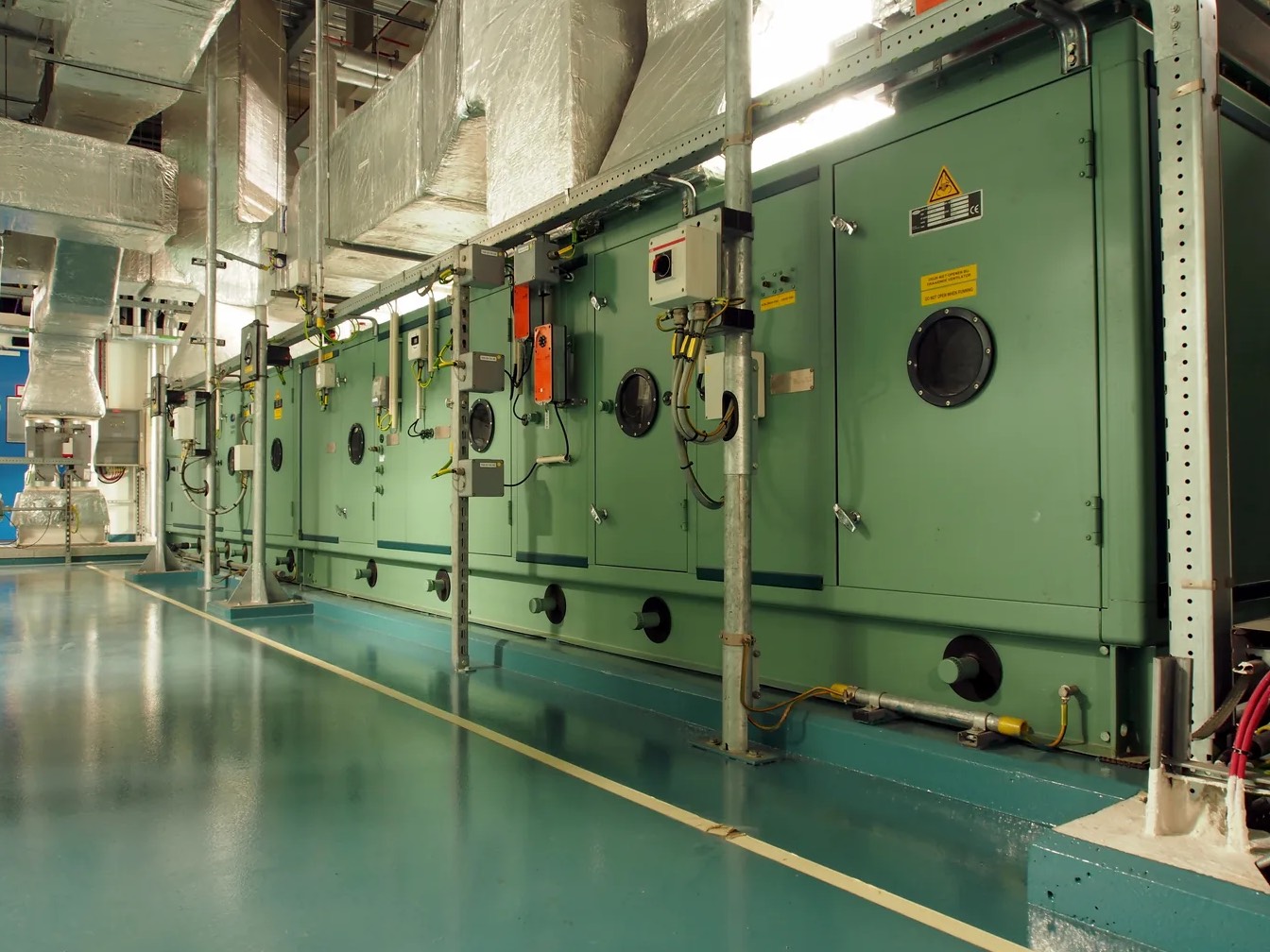
Expert AC Unit Water Removal for Logan Homes
Most AC leaks start small: a drip in the furnace closet or a faint stain under an attic unit. In Logan, the drain pan can fill and overflow for days before anyone notices the damage.
In Logan, AC leaks usually show up as ceiling stains under attic units, wet carpet near the furnace closet or water dripping from a vent. Help with AC unit water removal is available across Logan and in Tremonton, Brigham City and Perry, day or night, with extraction, drain clearing and drying.
The AC Unit Water Removal Process in Logan, UT
AC Leak Water Extraction
Water is removed from every wet surface the leak reached, including closets and rooms below an attic air handler.
AC Condensate Drain Clearing
A clogged condensate line is the most common reason an AC unit leaks. The pros flush out algae and sludge so condensate drains away again.
Emergency AC Water Removal
A sudden AC flood can soak a ceiling or floor in hours. Emergency removal gets the water out before it spreads into framing and insulation.
AC Leak Water Cleanup
Water from an overflowing air handler is extracted from the floor, closet or mechanical room, then nearby walls are checked with a moisture meter.
AC Drain Pan Water Extraction
Both the primary pan and the secondary safety pan are emptied, and the pan is inspected for rust holes or cracks.
Warning Signs You Need AC Unit Water Removal
AC System Shuts Off
Many units have a float switch that shuts the system off when the pan fills. If the AC stops cooling, check the pan.
High Indoor Humidity Levels
Rooms that feel clammy while the AC runs may mean water is not draining and is evaporating back into the air.
Unusual AC System Noises
Gurgling or dripping sounds from the unit can mean water is backing up in the drain line.
Wet AC Unit Components
Damp coils, a wet blower compartment or moisture around wiring inside the cabinet mean water is collecting where it should not.
How AC Unit Water Removal Works in Logan
Step 1: AC Leak Water Cleanup
Pooled water is removed from around the air handler and from any rooms or ceilings the leak reached.
Step 2: AC Drain Pan Water Extraction
The primary and secondary pans are emptied and checked for cracks, rust holes or a stuck float switch.
Step 3: Component and Structure Drying
Wet panels, framing and subfloor are dried with targeted airflow and dehumidifiers until readings are normal.
Step 4: Documentation and Prevention
Photos and readings are recorded for insurance, and simple drain upkeep tips are shared to prevent a repeat.
Why AC Units Leak and Need Water Removal
Dirty Air Filters
A clogged filter cuts airflow, which can freeze the coil and cause overflow when it melts.
Failed Condensate Pump
Units that pump condensate uphill depend on a small pump. When it fails, the reservoir overflows.
Frozen Evaporator Coils Thawing
A coil that freezes from low airflow sheds a large amount of water at once when it thaws.
Improper AC Unit Installation
A unit that is not level, or a drain line without enough slope, lets water pool instead of draining.
AC Unit Water Removal for Homes and Businesses in Logan
Residential AC Unit Water Removal
Attic air handlers in houses leak into bedroom and hallway ceilings. The pan is emptied, the ceiling checked with a meter and wet drywall dried or cut out before it sags.
Commercial AC Unit Water Removal
Commercial systems have larger pans and longer drain runs. Clearing the line and drying ceiling tiles and carpet keeps the space open and safe for staff and customers.
When to Hire Local Pros for AC Unit Water Removal in Logan
Pouring a cup of diluted vinegar into the drain line each season helps prevent algae clogs. Once water spreads past the unit into walls, ceilings or flooring, it is time to call local water extraction experts for extraction and drying.
What Affects AC Unit Water Removal Expense in Logan
Pricing for AC unit water removal in Logan is set after an inspection. The pros measure the wet area, check for hidden moisture and explain each item before starting.
Required Drying Time
Dense materials and enclosed spaces take longer to dry, which means more equipment days.
Leak Source and Severity
A slow drip near the closet costs less to fix than an attic overflow that soaked a ceiling and the room below.
System Restoration Complexity
Replacing drywall, insulation or trim after drying adds material and labor to the total.
Does Insurance Cover AC Unit Water Removal?
Many homeowner policies cover sudden water damage from an AC leak but not repairs to the unit itself or slow leaks from poor upkeep. Read your policy and call your insurer early.
Reasons to Select Local Pros in Logan for AC Unit Water Removal
Drain Pan Extraction
Both the main pan and the safety pan are emptied and checked for damage.
Detailed Moisture Documentation
Photos and moisture readings are recorded at each visit to support your insurance claim.
Industry Drying Standards
Drying follows industry water damage standards, with moisture readings at each visit.
24/7 Emergency AC Unit Water Removal in Logan
Do not wait for a stained ceiling to start sagging under the weight of the water. Call (801) 514-7356 now for AC unit water removal in Logan and get the drying started.
Call Now (801) 514-7356AC Unit Water Removal Service Area Including Logan
Nearby areas served for AC unit water removal include Tremonton, Brigham City and Perry, with the same extraction and drying process used in Logan.
- AC Unit Water Removal in Tremonton
- AC Unit Water Removal in Brigham City
- AC Unit Water Removal in Perry
- AC Unit Water Removal in Willard
- AC Unit Water Removal in North Ogden
- AC Unit Water Removal in Pleasant View
- AC Unit Water Removal in Harrisville
- AC Unit Water Removal in Marriott-Slaterville
- Emergency Damage Restoration in 84321
- Storm Damage Restoration in 84321
- Water Damage Restoration in 84321
- Water Extraction Service in 84321
- Water Leak Detection in 84321
- Water Removal Service in 84321
- Emergency Damage Restoration in 84322
- Storm Damage Restoration in 84322
Common AC Unit Water Removal Questions Answered
Why document AC water damage?
Photos and moisture readings show what got wet and how it was dried, which helps your insurance claim.
How does antimicrobial treatment help after an AC leak?
Once surfaces are dry, an antimicrobial can be applied to wood and drywall that stayed wet to slow microbial growth.
What happens during AC water extraction?
Pumps and extractors remove water from the pan, floor and carpet, then moisture meters check walls and subfloor for hidden water.
Can a wet AC unit be saved after a leak?
Often yes. Components are dried gently and checked, but an HVAC contractor should inspect electrical parts before the unit runs again.
What clogs an AC condensate line?
Algae, sludge, dust and debris build up inside the line, especially over long cooling seasons, until water backs up into the pan.