Alta, UT · Salt Lake County
AC Unit Water Removal in Alta, UTAir Conditioner Restoration Services & AC Leak Mold Prevention
AC Unit Water Removal in Alta runs from emergency AC water removal and AC leak water cleanup to air conditioner restoration services.
Answered 24/7
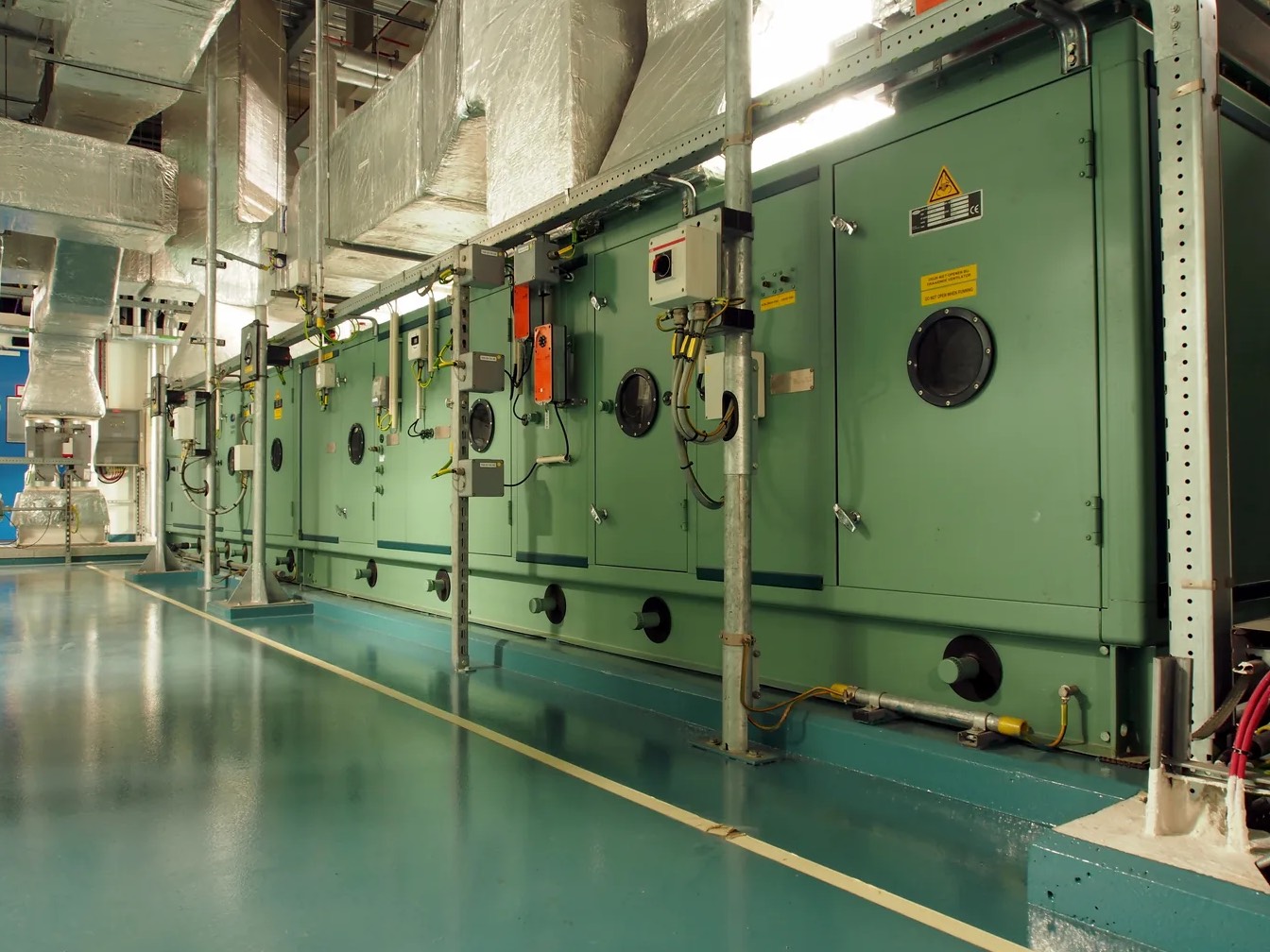
Expert AC Unit Water Removal for Alta Homes
An air conditioner pulls gallons of water out of the air on a hot day. When the drain line clogs or the pan cracks, that water lands on ceilings, walls and floors in Alta homes instead of draining outside.
Homes in Alta and nearby Park City, Midway and Cottonwood Heights run air conditioning for much of the year, so clogged condensate lines and full drain pans are common. Local water damage pros remove the water, clear the drain and dry the ceilings, walls and floors the leak reached.
AC Unit Water Removal Services in Alta
Air Conditioner Restoration Services
Restoration covers the repairs left after a leak: cut-out drywall, stained ceilings, swollen baseboards and soaked insulation.
AC Leak Mold Prevention
Once materials are dry, an EPA-registered antimicrobial can be applied to wet wood and drywall near the unit to slow microbial growth.
Emergency AC Water Removal
Fast extraction limits how far the water travels into framing and insulation, and lets drying equipment go in sooner.
AC Leak Water Cleanup
Standing water around the indoor unit is pumped and vacuumed up first, before it wicks into drywall, baseboards or the subfloor.
AC Condensate Drain Clearing
The PVC drain line is cleared with suction or a flush, and the trap is checked so water stops backing up into the pan.
Warning Signs You Need AC Unit Water Removal
AC Drain Pan Overflow
Water at the rim of the drain pan, or in the secondary pan, means the condensate line is blocked.
Unusual AC System Noises
Gurgling or dripping sounds from the unit can mean water is backing up in the drain line.
Visible Mold Near AC
Dark spots on drywall or framing near the unit mean the area has stayed wet for days.
High Indoor Humidity Levels
Rooms that feel clammy while the AC runs may mean water is not draining and is evaporating back into the air.
How AC Unit Water Removal Works in Alta
Step 1: Fast AC Unit Flood Cleanup
Water is extracted quickly to keep it from soaking into insulation, framing and the ceiling below.
Step 2: Drain Line Diagnosis and Clearing
The drain line is inspected for clogs, sags or loose fittings and cleared so water drains outside.
Step 3: Structural and Unit Drying
Air movers and dehumidifiers run around the unit, with daily moisture checks on walls and floors.
Step 4: System Check and Cleanup
The pan is cleaned, the drain is tested with water and the area is left dry.
What Leads to AC Unit Water Removal Needs in Alta
High Static Pressure in Ducts
Restricted ducts can pull water off the coil and blow it into the cabinet or ductwork.
Failed Condensate Pump
Units that pump condensate uphill depend on a small pump. When it fails, the reservoir overflows.
Disconnected Drain Line
A drain line knocked loose in the attic or closet empties condensate onto the ceiling or floor.
Dirty Air Filters
A clogged filter cuts airflow, which can freeze the coil and cause overflow when it melts.
Expert AC Unit Water Removal for Any Property in Alta
Residential AC Unit Water Removal
For homeowners, the main risk is water soaking into insulation and drywall where no one sees it. Moisture meters find that hidden water so it can be dried before it causes rot.
Commercial AC Unit Water Removal
For property managers, one leaking unit can affect several suites or the floor below. Each wet area is extracted, dried and documented for the owner and insurer.
AC Unit Water Removal vs. DIY: When to Call the Pros
Box fans move air across a wet surface, but they often leave water trapped in wall cavities and under flooring. Professional drying uses moisture readings to confirm the hidden areas behind walls and under floors are dry too.
Factors Influencing AC Unit Water Removal Cost in Alta
Drying equipment is usually billed by the day, so how long materials stay wet matters. Starting quickly in Alta shortens drying time and lowers the total.
System Restoration Complexity
Replacing drywall, insulation or trim after drying adds material and labor to the total.
Preventative Treatment Scope
Antimicrobial treatment is an optional step, priced by the size of the area treated.
Required Drying Time
Dense materials and enclosed spaces take longer to dry, which means more equipment days.
Does Insurance Cover AC Unit Water Removal?
Many homeowner policies cover sudden water damage from an AC leak but not repairs to the unit itself or slow leaks from poor upkeep. Read your policy and call your insurer early.
Advantages of Hiring Local Pros in Alta for AC Unit Water Removal
Drain Pan Extraction
Both the main pan and the safety pan are emptied and checked for damage.
Clear Process Communication
Each step is explained before work starts, so you know what is being removed and why.
Systematic Drain Line Clearing
The condensate line is cleared, not just the water mopped up, so the leak does not come right back.
Immediate AC Unit Water Removal for Emergencies in Alta
If water is near wiring or the breaker keeps tripping, turn off power to the unit and stay clear of the wet area. Then call (801) 514-7356 for help in Alta.
Call Now (801) 514-7356Local AC Unit Water Removal Coverage for Alta, Park City, Midway and Cottonwood Heights
Help with AC unit water removal reaches Park City, Midway and Cottonwood Heights and other communities around Alta, for houses, apartments and commercial buildings with leaking AC units.
Frequently Asked Questions About AC Unit Water Removal in Alta
Why document AC water damage?
Photos and moisture readings show what got wet and how it was dried, which helps your insurance claim.
What clogs an AC condensate line?
Algae, sludge, dust and debris build up inside the line, especially over long cooling seasons, until water backs up into the pan.
What is involved in AC unit water removal?
Standing water is extracted, the condensate line is cleared, and wet materials are dried with air movers and dehumidifiers until moisture readings are normal.
Can a wet AC unit be saved after a leak?
Often yes. Components are dried gently and checked, but an HVAC contractor should inspect electrical parts before the unit runs again.
What equipment is used to dry AC leak damage?
Extractors, air movers, dehumidifiers and moisture meters, plus wet vacs or pumps for the drain line.