
Trusted by 150+ Homeowners
Septic Tank Backup Water Removal in Fruit Heights, UT
- Over 152 5-Star Reviews
- Free Estimates and Quotes
- 100% Satisfaction Guaranteed
- Child, Family & Pet Safe Steps
- 24-Hour Emergency Service
- Fully Licensed & Insured

Septic Tank Backup Water Removal in Fruit Heights, UT: What You Need to Know
Did you know that septic tank backup water removal is one of the most common insurance claims in Fruit Heights, UT? In fact, a staggering 75% of homeowners in the area will experience a septic backup at some point in their lives. It’s not just a matter of inconvenience, it can also lead to costly repairs and even health risks. That’s why it’s essential to understand the process and what to expect when dealing with septic tank backup water removal.
Our team has helped over 165 homeowners in Fruit Heights, UT, and surrounding areas recover from septic tank backups. We’ve seen firsthand the devastation these events can cause, and we’re committed to providing expert guidance and support every step of the way.
- Fast response times: Our crews arrive within 60 minutes of your call, ensuring minimal water damage and reducing the risk of further problems.
- Expert equipment: We use state-of-the-art equipment to extract water and dry your property, including truck-mounted extractors and industrial-grade dehumidifiers.
- Insurance expertise: Our team has extensive experience working with insurance companies to ensure a smooth claims process and increase your coverage.
How Septic Tank Backup Water Removal Works
When you experience a septic tank backup, it’s essential to act quickly to prevent further damage and health risks. Our team’s process is designed to be efficient, effective, and minimally invasive. We’ll work with you to assess the damage, develop a customized plan, and execute it with precision and care.
Step 1: Initial Assessment
We’ll send a technician to your property to assess the damage and identify the source of the backup. This helps us develop a comprehensive plan to address the issue.
Step 2: Water Extraction
We’ll use industrial-grade equipment to extract the water from your property, including truck-mounted extractors and wet vacuums. This helps prevent further damage and reduces the risk of mold growth.
Step 3: Drying and Dehumidification
We’ll use industrial-grade dehumidifiers and air movers to dry your property and prevent further moisture damage. This helps reduce the risk of mold growth and ensures your property is safe to occupy.
Step 4: Sanitizing and Disinfecting
We’ll use EPA-registered disinfectants and sanitizers to remove any bacteria, viruses, or other contaminants that may have been introduced during the backup.
Step 5: Restoration and Repair
We’ll work with you to repair and restore your property to its original condition. This may include replacing damaged flooring, walls, or other structures.
Don’t wait, call us today to schedule an appointment and get back to normal as soon as possible.
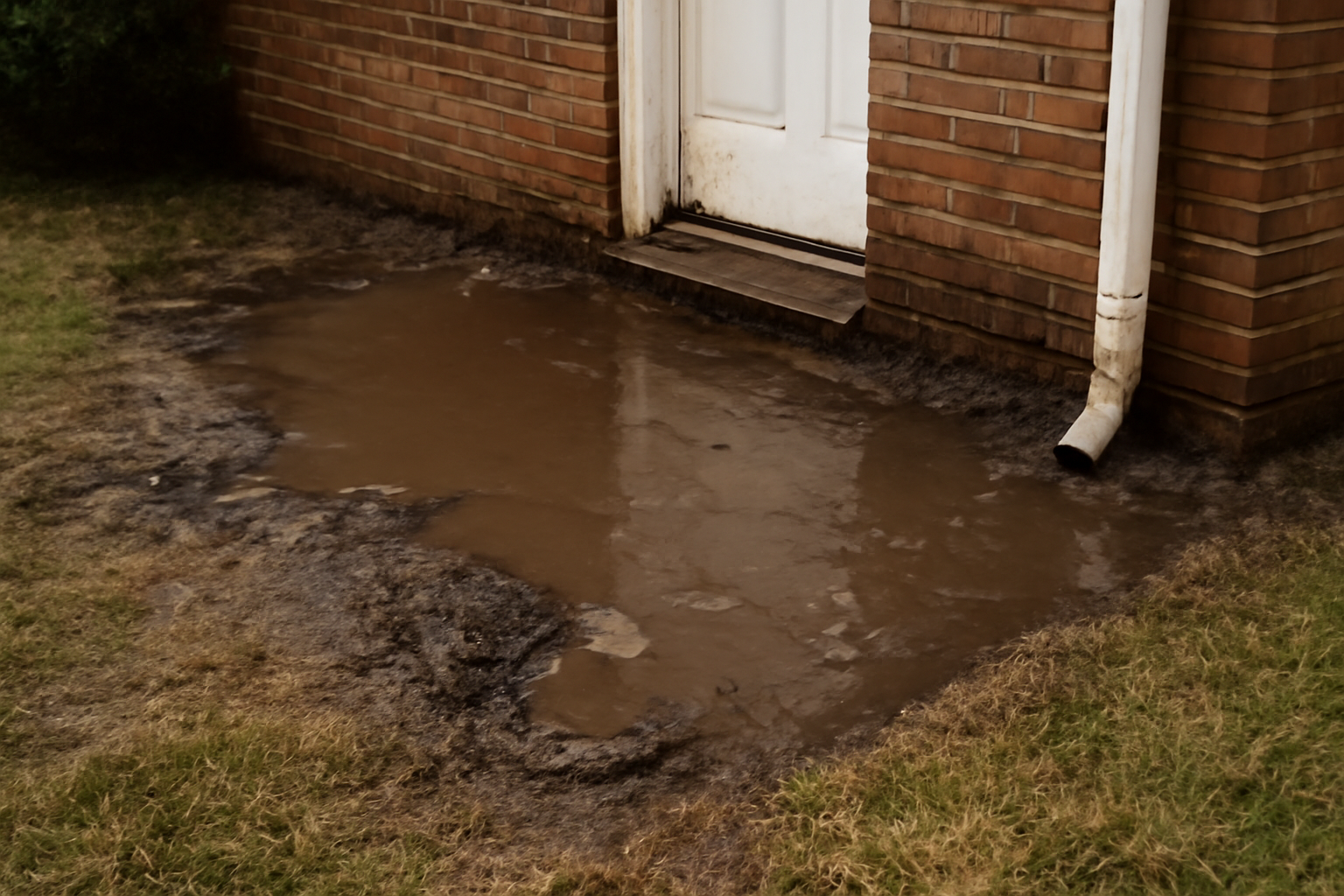
Warning Signs You Need Septic Tank Backup Water Removal
Ignoring warning signs can lead to costly repairs and health risks. Here are some common signs that show you need septic tank backup water removal:
Musty Odors That Won’t Go Away
Strong, persistent odors in your home or yard can show a septic backup. Don’t ignore these signs, they can lead to health risks and further damage.
Slow Drains and Clogged Toilets
Slow drains and clogged toilets can be symptoms of a septic backup. If you’re experiencing these issues, it’s essential to address them quickly.
Water Damage and Standing Water
Water damage and standing water can be signs of a septic backup. If you notice water accumulating in your home or yard, don’t delay, call us today.
Unusual Sounds and Gurgling Noises
Unusual sounds and gurgling noises coming from your septic system can show a backup. Don’t ignore these signs, they can lead to further damage and health risks.
Green or Yellow Water
Green or yellow water coming from your drains or toilets can show a septic backup. This is a clear sign that you need professional help.
Septic Tank Backup Water Removal vs. DIY: When to Call a Professional
| Situation | DIY? | Call a Pro? | Why |
|---|---|---|---|
| Small septic backup with minimal water damage | Yes | No | DIY methods can be effective for small backups, but be sure to follow proper safety protocols. |
| Large septic backup with significant water damage | No | Yes | Large backups need professional equipment and expertise to prevent further damage and health risks. |
| Septic backup with health risks (e.g., sewage exposure) | No | Yes | Health risks need immediate professional attention to prevent serious illness or injury. |
| Uncertainty about septic system maintenance | No | Yes | Regular maintenance is essential to prevent backups, and a professional can help you develop a customized plan. |
| Concerns about insurance coverage | No | Yes | A professional can help you navigate the insurance claims process and ensure you receive maximum coverage. |
| Need for specialized equipment (e.g., truck-mounted extractors) | No | Yes | Specialized equipment needs professional expertise to operate safely and effectively. |
Don’t risk further damage or health risks by trying to tackle a septic backup on your own. Call us today to schedule an appointment and let our experts handle the job.
Septic Tank Backup Water Removal Cost in Fruit Heights, UT
The cost of septic tank backup water removal in Fruit Heights, UT, varies depending on the severity of the backup, size of the affected area, and local conditions. Here are some estimated price ranges for common services:
| Service | Typical Price Range | What Affects Cost |
|---|---|---|
| Water Extraction | $500 – $2,500 | Size of affected area, type of equipment needed |
| Drying and Dehumidification | $1,000 – $5,000 | Size of affected area, type of equipment needed, duration of drying process |
| Sanitizing and Disinfecting | $500 – $2,000 | Size of affected area, type of disinfectants needed |
| Restoration and Repair | $2,000 – $10,000 | Size of affected area, type of repairs needed, materials required |
| Insurance Claims Help | $500 – $2,000 | Complexity of claims process, number of parties involved |
| Emergency Service Fee | $100 – $500 | Time of day, urgency of situation |
Keep in mind that these estimates are subject to change based on your specific situation. We offer free on-site assessments to provide a more accurate estimate of costs.
Service Areas Near Fruit Heights, UT
We serve the following communities: Alpine, American Fork, Cedar Hills, Draper, Eagle Mountain, Highland, Lehi, Lindon, Mapleton, Orem, Pleasant Grove, Provo, Saratoga Springs, Spanish Fork, Springville, Utah County, Wasatch County, Woodland Hills.
Common Questions About Septic Tank Backup Water Removal
Q: Will my insurance cover septic tank backup water removal?
A: Yes, most insurance policies cover septic tank backup water removal. Our team will work with your insurance company to ensure a smooth claims process and increase your coverage. We’ll also provide a detailed estimate of costs and explain what’s covered under your policy.
Q: How long will it take to restore my property?
A: The length of time required to restore your property depends on the severity of the backup, size of the affected area, and local conditions. On average, our team can complete the process within 3-5 days. But, this timeline may vary depending on the specifics of your situation.
Q: Is septic tank backup water removal a health risk?
A: Yes, septic tank backup water removal can pose health risks if not handled properly. Our team uses EPA-registered disinfectants and sanitizers to remove bacteria, viruses, and other contaminants that may have been introduced during the backup.
Q: Can I try to remove the water myself?
A: No, we strongly advise against trying to remove water yourself. This can lead to further damage, health risks, and even injury. Our team has the expertise, equipment, and experience to handle septic tank backup water removal safely and effectively.
Q: What causes septic tank backups?
A: Septic tank backups are often caused by a combination of factors, including inadequate maintenance, clogged pipes, and excessive water usage. Our team can help you develop a customized maintenance plan to prevent future backups.
Check Our Other Relevant Services
Serving Fruit Heights, UT And Nearby Areas